

Managing severe chronic pain requires a comprehensive understanding of medication options, risks, and the broader treatment landscape. Severe pain pills-typically referring to stronger prescription analgesics-play a specific role in pain management protocols, but their use demands careful consideration, medical supervision, and integration within a multidisciplinary treatment approach. As we navigate pain management in 2026, patients and providers increasingly recognize that medication represents just one component of effective chronic pain care. This article explores the landscape of severe pain pills, their appropriate use, safety considerations, and how they fit within comprehensive pain management strategies.
Understanding Severe Pain Pills and Their Classification
Severe pain pills encompass a range of prescription medications designed to address intense or chronic pain that doesn't respond adequately to over-the-counter options. These medications are typically classified on pain scales and through regulatory frameworks that recognize their potency and potential risks.
The WHO analgesic ladder provides a framework for understanding where severe pain pills fit within stepped pain management. This approach categorizes analgesics into three main tiers, with severe pain pills generally occupying the second and third steps, representing moderate to strong opioids and combination therapies.
Categories of Medications for Severe Pain
Strong Opioid Analgesics form the core category of what clinicians typically consider severe pain pills. These include medications like morphine, oxycodone, hydromorphone, and fentanyl formulations. These agents work by binding to opioid receptors in the central nervous system, altering pain perception and emotional response to pain.
Combination Medications pair opioids with non-opioid analgesics to enhance efficacy while potentially allowing lower opioid doses. Common examples include oxycodone with acetaminophen or hydrocodone with ibuprofen.
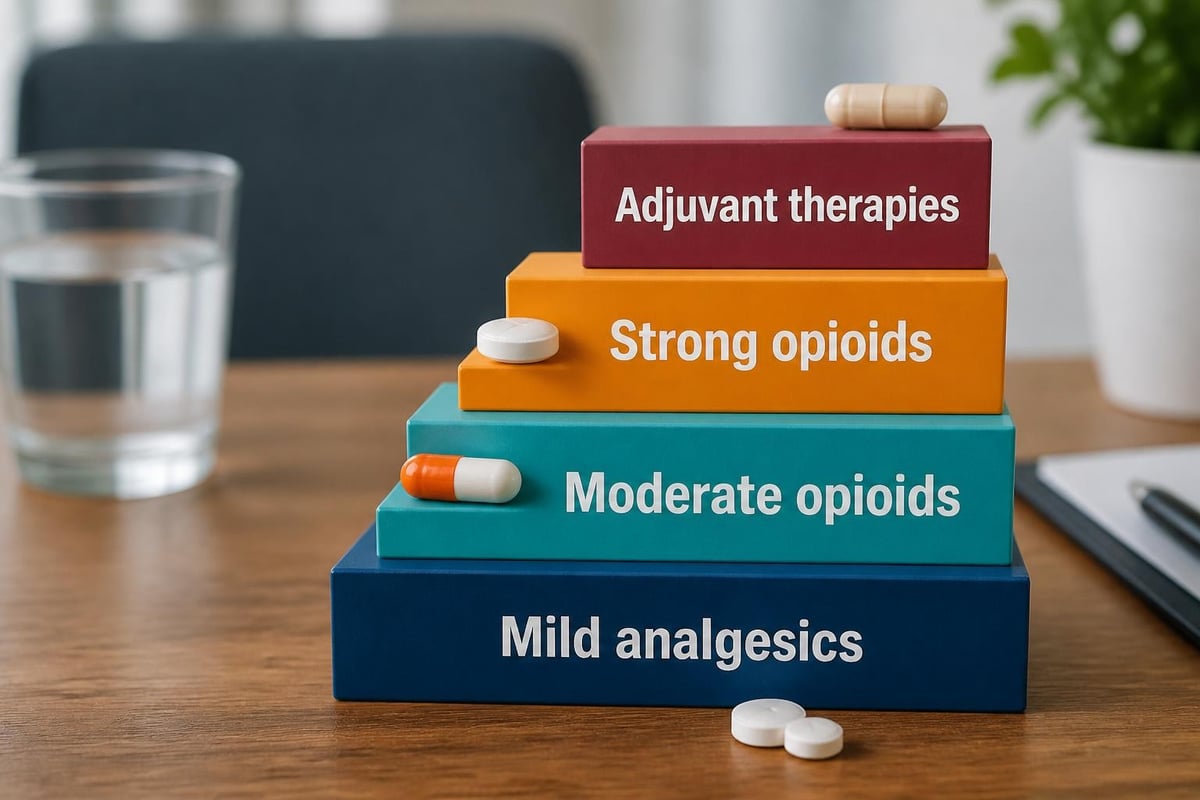
Adjuvant Medications aren't traditional pain pills but are increasingly prescribed for severe chronic pain. These include gabapentinoids (gabapentin, pregabalin), certain antidepressants (duloxetine, amitriptyline), and anticonvulsants (topiramate). While not opioids, they address severe pain through different mechanisms, particularly for neuropathic conditions.
| Medication Class | Examples | Primary Mechanism | Typical Use Cases |
|---|---|---|---|
| Strong Opioids | Morphine, Oxycodone, Hydromorphone | Opioid receptor binding | Severe acute pain, cancer pain, select chronic conditions |
| Combination Products | Oxycodone/Acetaminophen, Hydrocodone/APAP | Dual-mechanism analgesia | Moderate to severe pain requiring multimodal approach |
| Gabapentinoids | Gabapentin, Pregabalin | Calcium channel modulation | Neuropathic pain, fibromyalgia |
| SNRIs/Antidepressants | Duloxetine, Amitriptyline | Neurotransmitter modulation | Chronic pain with depression, neuropathy |
The Role of Severe Pain Pills in Chronic Pain Management
Chronic pain management has evolved significantly, with 2026 guidelines emphasizing multimodal approaches that reduce reliance on any single intervention. Severe pain pills serve specific purposes within this framework, but their role is increasingly defined by careful patient selection and clear treatment goals.
For acute severe pain-such as post-surgical recovery or traumatic injury-these medications provide essential short-term relief that facilitates healing and rehabilitation. The evidence supports time-limited use in these scenarios with clear tapering protocols.
In chronic non-cancer pain, the role becomes more complex. The VA/DoD clinical practice guidelines emphasize that chronic opioid therapy should be considered only after other treatments have proven insufficient, and only when benefits clearly outweigh risks for individual patients.
Evidence-Based Considerations
Research continues to refine our understanding of when severe pain pills provide meaningful benefit. A Cochrane review on high-dose opioids for chronic non-cancer pain highlights that while some patients experience relief, the evidence for long-term efficacy remains limited, and risks increase substantially with higher doses and prolonged duration.
Key factors influencing appropriate use include:
- Previous treatment history and response to less potent analgesics
- Specific pain condition and underlying pathology
- Functional goals and quality of life measures
- Individual risk factors for adverse effects or misuse
- Availability and accessibility of alternative treatments
- Patient preference and informed consent after thorough risk discussion
The European Pain Federation position papers stress that severe pain pills should never constitute standalone treatment. Instead, they work best within comprehensive programs that address physical, psychological, and social dimensions of chronic pain.
Safety Considerations and Risk Management
Using severe pain pills responsibly requires understanding and mitigating multiple categories of risk. In 2026, prescribers and patients benefit from enhanced monitoring technologies, prescription drug monitoring programs, and evidence-based risk stratification tools.
Physical Health Risks
Respiratory depression represents the most serious acute risk, particularly when severe pain pills are combined with other central nervous system depressants like benzodiazepines or alcohol. This risk increases with higher doses and in patients with sleep apnea or respiratory conditions.
Tolerance and physical dependence develop with regular use, meaning the body adapts to the medication's presence. This physiological process differs from addiction but requires careful management during dose adjustments or discontinuation.

Endocrine and immune effects can occur with long-term opioid use, including hypogonadism, reduced testosterone, and potentially altered immune function. Regular monitoring helps identify these issues early.
Gastrointestinal effects, particularly constipation, affect most patients taking severe pain pills regularly. Proactive bowel regimens prevent this common and sometimes severe complication.
Misuse and Diversion Risks
Beyond physical health concerns, severe pain pills carry risks of misuse, substance use disorder development, and diversion. Comprehensive pain programs implement multiple safeguards:
- Initial risk assessment using validated screening tools
- Treatment agreements clarifying expectations, monitoring requirements, and boundaries
- Regular follow-up with functional assessments, not just pain scores
- Prescription drug monitoring program checks before prescribing and at intervals
- Urine drug testing to confirm appropriate medication use
- Pill counts when indicated by risk factors or concerns
- Secure storage counseling to prevent diversion to others
Alternatives and Complementary Approaches
The most effective chronic pain management integrates multiple treatment modalities, reducing dependence on any single intervention. Many patients find that combining approaches provides superior relief with fewer risks than relying solely on severe pain pills.
Non-Opioid Pharmacological Options
NSAIDs and acetaminophen remain first-line for many pain conditions, with newer formulations offering improved delivery and reduced gastrointestinal risks. Topical NSAIDs provide targeted relief for localized musculoskeletal pain.
Antidepressants and anticonvulsants address neuropathic pain through mechanisms distinct from traditional analgesics. Medications like duloxetine and pregabalin demonstrate efficacy for fibromyalgia, diabetic neuropathy, and other chronic pain syndromes.
Topical agents, including lidocaine patches, capsaicin, and compounded creams, deliver medication directly to painful areas while minimizing systemic exposure.
The Chronic Pain Management Program at specialized centers often incorporates these diverse medication options alongside interventional procedures, creating individualized protocols that may reduce or eliminate the need for severe pain pills.
Non-Pharmacological Interventions
Physical approaches complement medication management:
- Physical therapy addresses biomechanical contributors and builds functional capacity
- Occupational therapy develops adaptive strategies for daily activities
- Chiropractic care provides manual treatment for musculoskeletal conditions
- Acupuncture offers evidence-based relief for various pain conditions
| Intervention Type | Mechanism | Best Suited For | Evidence Level |
|---|---|---|---|
| Cognitive Behavioral Therapy | Pain perception modification | Chronic pain with psychological factors | Strong |
| Physical Therapy | Strength, mobility, function | Musculoskeletal pain | Strong |
| Mindfulness/Meditation | Stress reduction, pain acceptance | Chronic pain, anxiety comorbidity | Moderate |
| Acupuncture | Neuromodulation, endorphin release | Various chronic pain conditions | Moderate |
| Biofeedback | Physiological self-regulation | Tension headaches, fibromyalgia | Moderate |
Understanding resources available for comprehensive pain treatment helps patients explore options beyond medication alone.
Making Informed Decisions About Pain Medication
Patients facing decisions about severe pain pills benefit from thorough information, shared decision-making with providers, and realistic expectations about both benefits and limitations.
Questions to Discuss with Your Provider
Before starting severe pain pills:
- What specific functional improvements should I expect?
- How long do you anticipate I'll need this medication?
- What are my personal risk factors for complications?
- What alternatives have we tried, and why haven't they provided adequate relief?
- How will we monitor effectiveness and safety?
- What's the plan if this medication stops working effectively?
During treatment:
- Am I meeting the functional goals we established?
- Are side effects manageable with my current quality of life?
- Have my pain patterns or needs changed?
- Are there new treatment options we should consider?
- How is this medication affecting my overall health?

Setting Realistic Goals
Effective pain management rarely means complete pain elimination. Instead, treatment focuses on improving function and quality of life. Appropriate goals for severe pain pill therapy might include:
- Reducing pain from 8/10 to 5/10 on average
- Sleeping through the night without pain-related awakenings
- Participating in physical therapy exercises
- Returning to meaningful work or activities
- Reducing pain-related anxiety or depression
When severe pain pills don't deliver meaningful functional improvement despite adequate trials, continuing them exposes patients to ongoing risks without commensurate benefit.
Monitoring and Adjusting Treatment Over Time
Chronic pain evolves, and treatment must adapt accordingly. Regular reassessment ensures that severe pain pills continue to serve patients' needs appropriately or identifies when changes are warranted.
Effective Monitoring Components
Functional assessments measure real-world impact more meaningfully than pain scores alone. Tracking sleep quality, activity levels, work participation, social engagement, and mood provides a comprehensive picture of treatment effectiveness.
Adverse effect screening should occur at every visit, specifically addressing:
- Sedation and cognitive effects
- Constipation and other gastrointestinal issues
- Mood changes or depression
- Sleep-disordered breathing
- Sexual function concerns
Medication review ensures that severe pain pills remain appropriately dosed, that interactions with new medications are identified, and that opportunities for dose reduction are recognized when pain improves.
When to Consider Tapering or Discontinuation
Several scenarios suggest reevaluating the continuation of severe pain pills:
- Lack of functional improvement despite adequate dosing and duration
- Adverse effects that significantly impact quality of life
- Development of tolerance requiring escalating doses
- Aberrant behaviors suggesting misuse or substance use disorder
- Improved pain allowing dose reduction or discontinuation
- Availability of more effective alternatives not previously accessible
Tapering should be gradual, individualized, and supported. Abrupt discontinuation risks withdrawal symptoms and pain flares. A thoughtful approach to pain management includes having a clear plan for medication adjustments when needed.
Regulatory and Access Considerations in 2026
The prescription of severe pain pills occurs within an evolving regulatory environment designed to balance patient access with public health concerns about opioid-related harms. Understanding these frameworks helps patients navigate the system effectively.
Prescription Regulations
Prescription monitoring programs now operate in all states, allowing prescribers to review patients' controlled substance history before prescribing. While these systems aim to prevent "doctor shopping" and diversion, they also create administrative requirements that can affect access.
Prescribing limits in some states restrict initial opioid prescriptions to certain quantities or durations, particularly for acute pain. Chronic pain patients with established treatment relationships typically aren't subject to these limits, but they reflect the broader regulatory trend.
Prior authorization requirements from insurance companies increasingly apply to severe pain pills, requiring documentation of previous treatments, medical necessity, and sometimes specialist evaluation before approval.
Balancing Access and Safety
Patients with legitimate pain needs sometimes face barriers created by well-intentioned regulations. Advocating effectively requires:
- Maintaining consistent care with a primary pain management provider
- Documenting functional impacts of pain and treatment responses
- Following treatment agreements precisely
- Understanding insurance requirements and appeal processes
- Exploring patient assistance programs when cost becomes prohibitive
Healthcare providers at facilities like Pain & Recovery Medical Centre navigate these regulatory requirements daily, helping patients access appropriate care while maintaining compliance with safety protocols.
Integrating Severe Pain Pills Into Comprehensive Care
The most successful outcomes occur when medication management integrates seamlessly with other treatment components. This holistic approach recognizes that chronic pain involves biological, psychological, and social dimensions requiring coordinated interventions.
The Biopsychosocial Model in Practice
Biological interventions address tissue damage, inflammation, and pain signaling through medications, procedures, and physical therapies. Severe pain pills may form part of this component, particularly when nociceptive or mixed pain mechanisms predominate.
Psychological interventions help patients develop coping skills, address catastrophic thinking, manage comorbid anxiety or depression, and improve pain-related quality of life. Cognitive behavioral therapy, acceptance and commitment therapy, and mindfulness-based approaches demonstrate strong evidence.
Social interventions consider how relationships, work, financial stress, and community engagement affect pain and recovery. Case management, vocational rehabilitation, and peer support programs address these dimensions.
Building Your Personal Pain Management Plan
Effective chronic pain management requires active patient participation. Your plan might include:
Daily strategies:
- Medication schedule (including severe pain pills if prescribed)
- Gentle movement or stretching routine
- Mindfulness or relaxation practice
- Activity pacing to avoid overexertion
- Sleep hygiene practices
Weekly commitments:
- Physical therapy exercises
- Counseling or support group attendance
- Recreational activities that promote well-being
- Social connections that combat isolation
Monthly reviews:
- Provider appointments with functional updates
- Pain diary review to identify patterns
- Treatment plan adjustments based on progress
- Barrier identification and problem-solving
Finding additional information through frequently asked questions can clarify common concerns about treatment approaches.
Special Populations and Considerations
Certain patient groups require modified approaches to severe pain pills, recognizing unique physiological, psychological, or social factors that influence treatment selection and monitoring.
Older Adults
Aging affects medication metabolism, increases sensitivity to side effects, and often involves multiple comorbidities requiring polypharmacy. Severe pain pills in older adults demand:
- Lower starting doses with cautious titration
- Enhanced monitoring for cognitive effects, falls, and constipation
- Medication review to identify dangerous interactions
- Renal and hepatic function assessment before prescribing
- Preference for short-acting formulations initially to assess tolerance
Patients with Substance Use History
Previous or current substance use disorders don't automatically preclude severe pain pills when medically necessary, but they require specialized approaches. Strategies include:
- Structured monitoring with frequent visits
- Buprenorphine-based analgesia in some cases
- Concurrent addiction treatment when active use continues
- Enhanced psychosocial support
- Naloxone prescription for overdose prevention
- Clear boundaries and contingency plans
For individuals with both chronic pain and substance dependence concerns, specialized treatment programs address both conditions simultaneously with integrated care models.
Pregnant and Breastfeeding Patients
Severe pain pills during pregnancy require careful risk-benefit assessment. Considerations include:
- Teratogenic potential of specific medications
- Neonatal opioid withdrawal syndrome risk
- Impact of untreated pain on pregnancy outcomes
- Alternative pain management options
- Coordinated care with obstetric providers
- Breastfeeding safety profiles of different analgesics
The Future of Severe Pain Management
Pain medicine continues evolving rapidly, with emerging treatments potentially reducing reliance on traditional severe pain pills while improving outcomes. Understanding these developments helps patients and providers anticipate new options.
Innovative Medication Approaches
Abuse-deterrent formulations incorporate technologies making pills harder to crush, dissolve, or inject, reducing misuse potential while maintaining therapeutic benefit for appropriate users. These formulations continue advancing with each product generation.
Novel analgesic mechanisms under investigation target pain pathways differently than traditional approaches. NGF inhibitors, sodium channel blockers, and other agents may offer effective alternatives for select conditions.
Personalized medicine using pharmacogenomic testing helps predict individual medication responses and side effect risks, allowing more precise medication selection and dosing from the outset.
Technology-Enabled Monitoring
Wearable devices track activity, sleep, heart rate variability, and other metrics that correlate with pain and function, providing objective data to supplement subjective reports.
Smartphone applications facilitate pain tracking, medication adherence, cognitive behavioral therapy delivery, and telehealth connections, making comprehensive care more accessible.
Prescription monitoring integration with electronic health records streamlines safety checks while reducing administrative burden on providers and patients.
Expanded Non-Opioid Options
Interventional procedures continue advancing, with improved targeting, longer-lasting effects, and reduced invasiveness. Radiofrequency ablation, spinal cord stimulation, and intrathecal drug delivery offer alternatives for carefully selected patients.
Regenerative medicine approaches like platelet-rich plasma and stem cell therapies show promise for certain musculoskeletal conditions, though evidence continues developing.
Medical cannabis has emerged as another option for chronic pain management in states with legal access, with growing clinical experience informing appropriate patient selection and protocols.
Managing severe pain effectively in 2026 requires balancing medication options with comprehensive, multimodal treatment approaches that address all dimensions of chronic pain. Severe pain pills serve important roles for carefully selected patients when integrated within broader care plans that emphasize function, safety, and quality of life. If you're struggling with chronic pain and seeking expert guidance on medication management alongside alternative therapies, Pain & Recovery Medical Centre offers individualized treatment programs designed to improve your independence and well-being through evidence-based, compassionate care.