

Pain is one of the most universal human experiences, yet it remains deeply personal and complex. While we all know what it means to be feeling pain, the actual mechanisms behind this sensation involve intricate biological, psychological, and social processes. Understanding how pain works, why it sometimes persists long after injury, and how different factors influence our experience can empower individuals to seek appropriate care and manage their symptoms more effectively. This knowledge becomes particularly important for those living with chronic conditions where pain interferes with daily life, relationships, and overall well-being.
The Biological Foundation of Pain Perception
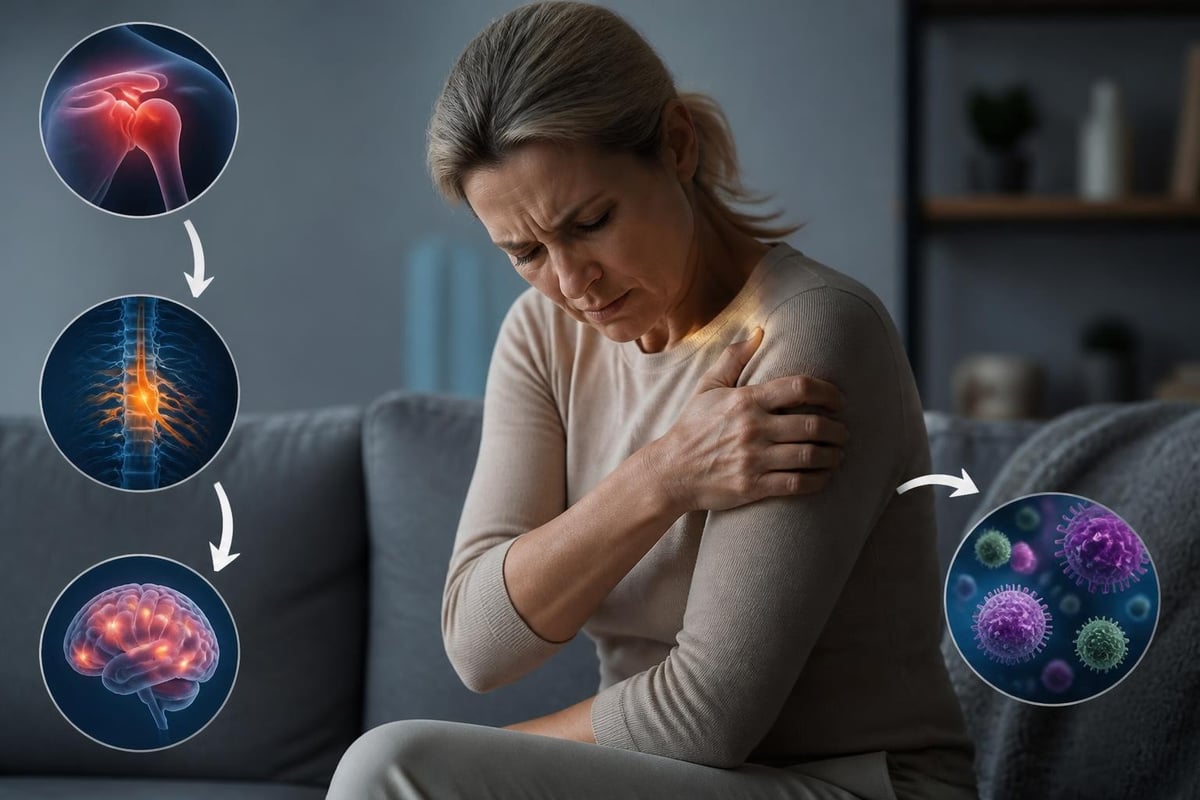
Our bodies have evolved sophisticated systems for detecting potential harm and communicating danger to our conscious awareness. Specialized nerve endings called nociceptors detect mechanical, thermal, or chemical stimuli that could damage tissue. When activated, these receptors send electrical signals through peripheral nerves to the spinal cord, then upward to multiple brain regions.
The journey from stimulus to conscious awareness involves several critical steps:
- Detection: Nociceptors in skin, muscles, joints, and organs respond to harmful stimuli
- Transmission: Signals travel through A-delta and C nerve fibers at different speeds
- Modulation: The spinal cord can amplify or diminish signals before they reach the brain
- Perception: Multiple brain regions process the signal, creating the experience of feeling pain
Research into neurophysiological mechanisms reveals that pain involves far more than simple signal transmission. The brain integrates sensory information with emotional context, past experiences, and current expectations to construct what we ultimately perceive as pain. This explains why two people with identical injuries may report vastly different pain levels.
When Pain Becomes Chronic
Acute pain serves a protective function, alerting us to injury and encouraging healing behaviors. However, pain sometimes persists long beyond normal healing timeframes, transforming into a chronic condition. When feeling pain extends beyond three to six months, the nervous system itself can undergo changes that perpetuate the experience.
Central sensitization represents one key mechanism behind chronic pain. The nervous system becomes hyperresponsive, amplifying signals and interpreting even normal sensations as painful. Studies on inflammation and neuroinflammation demonstrate how immune system activation can drive persistent pain states, creating a self-reinforcing cycle that proves difficult to interrupt.
| Acute Pain | Chronic Pain |
|---|---|
| Duration: Days to weeks | Duration: Months to years |
| Cause: Identifiable injury or illness | Cause: Often unclear or disproportionate |
| Nervous system: Normal response | Nervous system: Sensitized and altered |
| Treatment goal: Healing | Treatment goal: Function and quality of life |
| Prognosis: Resolves with healing | Prognosis: Requires ongoing management |
Psychological Dimensions of the Pain Experience
The experience of feeling pain cannot be separated from our psychological state. Anxiety, depression, stress, and past trauma all influence how we perceive and respond to painful sensations. The brain regions that process emotional distress overlap significantly with those that process physical pain, explaining why psychological factors profoundly affect pain severity.
Catastrophizing represents one particularly influential thought pattern. When individuals interpret pain as signaling terrible outcomes or feel helpless to manage it, their actual pain experience intensifies. Conversely, those who maintain realistic optimism and a sense of control often report lower pain levels despite similar physical conditions.
Research examining biopsychosocial and cultural determinants reveals that social support, cultural beliefs about pain, and access to resources all shape the pain experience. Someone with strong social connections and comprehensive care options typically manages chronic pain more effectively than someone facing isolation or limited treatment access.
The Role of Fear and Avoidance
Fear of pain often creates more disability than the pain itself. When individuals avoid activities they believe will cause pain, they enter a destructive cycle. Muscles weaken from disuse, joints stiffen, and cardiovascular fitness declines. These physical changes actually increase vulnerability to pain, validating the original fear and reinforcing avoidance behaviors.
Breaking this cycle requires gradual exposure to feared activities, building confidence through small successes. Physical therapy, occupational therapy, and psychological support work together to restore function. Many patients discover they can tolerate more activity than anticipated, challenging their assumptions about their limitations.
Modern Approaches to Pain Assessment
Accurate assessment presents unique challenges because pain remains inherently subjective. While clinicians rely heavily on patient self-report using numerical rating scales, researchers continue developing more objective measures. Advances in neurophysiological sensing methods show promise for identifying pain biomarkers through brain activity patterns, autonomic nervous system responses, and other physiological indicators.
Comprehensive pain assessment considers multiple dimensions:
- Intensity: How strong is the pain on a 0-10 scale?
- Quality: Is it sharp, burning, aching, stabbing, or throbbing?
- Location: Where exactly do you feel the pain?
- Duration: How long does it last? Is it constant or intermittent?
- Triggers: What makes it better or worse?
- Impact: How does it affect sleep, mood, work, and relationships?
Beyond these basic questions, clinicians evaluate movement patterns, functional limitations, psychological factors, and quality of life. This comprehensive approach recognizes that successful treatment requires addressing all dimensions of the pain experience, not just reducing sensation intensity.

Treatment Strategies for Persistent Pain
Managing chronic pain effectively requires individualized, multimodal approaches. No single treatment works for everyone, and combination strategies typically produce better outcomes than any intervention alone. The Chronic Pain Management Program exemplifies this comprehensive approach, offering medications, counseling, physical therapy, acupuncture, and other therapies tailored to individual needs.
Pharmacological Options
Medications play an important role but work best as part of broader treatment plans. Different drug classes target distinct pain mechanisms:
- NSAIDs: Reduce inflammation and associated pain
- Gabapentinoids: Calm overactive nerves in neuropathic pain
- Topiramate: Modulates nerve signaling for certain pain types
- Buprenorphine: Provides pain relief while minimizing risks
- Topical agents: Deliver medication directly to painful areas
Medication selection depends on pain type, other health conditions, potential side effects, and individual response. Regular monitoring ensures treatments remain effective and safe over time.
Non-Pharmacological Interventions
Physical approaches address mechanical and functional aspects of feeling pain. Physical therapy strengthens muscles, improves flexibility, and teaches proper body mechanics. Chiropractic treatment realigns joints and reduces nerve irritation. Acupuncture modulates pain signals through mechanisms science continues investigating.
Mind-body techniques harness the brain's ability to influence pain perception. Meditation, deep breathing, progressive muscle relaxation, and guided imagery can reduce pain intensity and improve coping. These skills empower individuals to actively participate in their recovery rather than feeling victimized by their condition.
The Neuroplasticity Factor in Pain Recovery
Understanding neuroplasticity offers hope for those feeling pain chronically. The nervous system's ability to reorganize itself works both ways-it can create persistent pain states, but it can also unlearn them. Consistent, gradual rehabilitation helps retrain the nervous system to interpret sensations more accurately and respond less dramatically.
Research into neuropathic pain mechanisms demonstrates that targeted therapies can reverse some nervous system changes associated with chronic pain. This scientific foundation supports treatment approaches that combine medication with active rehabilitation and psychological strategies.
| Intervention Category | Examples | Primary Mechanism |
|---|---|---|
| Physical | Exercise, PT, manual therapy | Restore function, reduce sensitization |
| Psychological | CBT, mindfulness, biofeedback | Modify pain interpretation and coping |
| Pharmacological | NSAIDs, anticonvulsants, opioids | Target specific pain pathways |
| Interventional | Injections, nerve blocks | Interrupt pain signals directly |
| Complementary | Acupuncture, massage, yoga | Multiple mechanisms under study |
Creating new neural pathways requires time and consistency. Small, regular doses of positive experiences-successful movement, reduced anxiety, improved sleep-gradually reshape the nervous system's default responses. Patients often report that while they still experience some pain, it bothers them less and interferes with life less dramatically.

Sleep, Nutrition, and Pain Interconnections
The relationship between sleep and feeling pain operates bidirectionally. Poor sleep lowers pain thresholds, making individuals more sensitive to discomfort. Simultaneously, pain disrupts sleep architecture, preventing restorative rest. Breaking this cycle often requires direct sleep interventions alongside pain treatments.
Sleep hygiene practices that benefit pain management include:
- Maintaining consistent sleep-wake times, even on weekends
- Creating a cool, dark, quiet bedroom environment
- Avoiding screens for one hour before bed
- Limiting caffeine after early afternoon
- Using relaxation techniques when getting into bed
Nutrition similarly influences inflammatory processes and pain sensitivity. Anti-inflammatory dietary patterns emphasizing vegetables, fruits, omega-3 fatty acids, and whole grains may reduce systemic inflammation. Conversely, highly processed foods, excess sugar, and certain fats can promote inflammatory states that worsen pain.
Social Support and Pain Outcomes
Isolation amplifies suffering while connection promotes resilience. When feeling pain chronically, individuals sometimes withdraw from social activities due to physical limitations, embarrassment, or fear of burdening others. Unfortunately, this isolation removes protective factors that help manage pain effectively.
Strong social networks provide practical assistance, emotional validation, and motivation to persist with treatment plans. Family members who understand chronic pain can offer appropriate support without enabling maladaptive behaviors. Support groups connect individuals with others facing similar challenges, reducing the sense of being alone in the struggle.
Healthcare providers serve as crucial members of a patient's support network. Finding clinicians who listen, validate concerns, and partner in treatment decisions makes an enormous difference. Resources available through comprehensive pain care centers help patients access coordinated, compassionate treatment that addresses all dimensions of their experience.
Setting Realistic Goals and Measuring Progress
Complete pain elimination may not be achievable for everyone with chronic conditions. However, meaningful improvements in function, mood, and quality of life remain realistic goals even when some pain persists. Shifting focus from pain elimination to functional restoration often proves more productive.
Functional goals might include:
- Walking a specific distance without rest breaks
- Playing with grandchildren for thirty minutes
- Returning to part-time work
- Sleeping through the night most nights
- Reducing pain medication dosage
- Participating in enjoyable hobbies again
Tracking progress helps maintain motivation during the inevitable plateaus and setbacks. Simple journals recording daily pain levels, activities completed, sleep quality, and mood patterns reveal trends that might otherwise go unnoticed. These records also provide valuable information for healthcare providers adjusting treatment plans.
Environmental and Occupational Factors
Work environments significantly influence pain experiences. Repetitive motions, awkward postures, heavy lifting, and prolonged sitting all contribute to musculoskeletal pain development. Ergonomic modifications reduce mechanical stress on vulnerable body regions, preventing pain onset or reducing existing symptoms.
Beyond physical factors, workplace stress, job dissatisfaction, and perceived lack of control correlate with increased pain reporting. Organizations that support injured workers with modified duties, flexible scheduling, and gradual return-to-work programs see better outcomes than those with rigid, punitive approaches. Advocates and resources help patients navigate workplace accommodations and disability systems when needed, which can be explored through specialized consultation services.
Home environments also require evaluation. Simple modifications like supportive furniture, assistive devices, and reorganized storage can reduce daily pain triggers while supporting independence. Occupational therapists specialize in identifying these opportunities and recommending practical solutions.
The Impact of Age and Life Stage
Pain experiences vary across the lifespan. Older adults face unique challenges including multiple chronic conditions, medication interactions, and age-related changes in pain processing. However, research shows older individuals can achieve significant functional improvements with appropriate, tailored interventions.
Younger adults dealing with chronic pain confront different obstacles. They may struggle with career development, family planning, and social relationships while managing persistent symptoms. Addressing these life-stage specific concerns within treatment plans improves engagement and outcomes.
Staying informed through reliable educational resources helps patients understand their conditions and treatment options. Knowledge reduces anxiety, enables informed decision-making, and promotes active participation in recovery.
Future Directions in Pain Science and Treatment
The field of pain medicine continues evolving rapidly. Genetic research identifies individual variations in pain sensitivity and medication response. Advanced imaging reveals brain changes associated with chronic pain. Digital therapeutics deliver evidence-based psychological interventions through smartphone applications.
Personalized medicine approaches promise to match specific treatments to individual biological and psychological profiles, improving efficacy while reducing trial-and-error prescribing. Integration of artificial intelligence may enhance pain prediction, prevention, and treatment optimization. These advances offer hope for better outcomes in the years ahead.
Meanwhile, current evidence-based treatments provide meaningful relief for many patients. Combining medication management, physical rehabilitation, psychological support, and lifestyle modifications addresses the multifaceted nature of feeling pain. Persistence through treatment challenges and setbacks often leads to gradual but sustained improvement.
Understanding the complex biology, psychology, and social dimensions of feeling pain empowers individuals to pursue comprehensive care and realistic recovery goals. If chronic pain is diminishing your quality of life, Pain & Recovery Medical Centre offers specialized programs combining medical expertise, therapeutic interventions, and compassionate support to help you regain function and independence. Contact our team to discuss personalized treatment options tailored to your unique needs and circumstances.