
Living with chronic pain affects every aspect of daily life, from work productivity to personal relationships. When pain persists for months or years, finding effective chronic pain management near me becomes a critical priority. In 2026, patients have access to more treatment options than ever before, but navigating the healthcare landscape to find qualified specialists and evidence-based programs can feel overwhelming. Understanding what modern chronic pain management encompasses and how to identify quality care in your area empowers you to take control of your health journey.
Understanding Modern Chronic Pain Management
Chronic pain management has evolved significantly over the past decade. Rather than focusing solely on symptom suppression, today’s approach recognizes pain as a complex condition requiring comprehensive, individualized treatment strategies.
Chronic pain differs fundamentally from acute pain. While acute pain signals tissue damage and typically resolves with healing, chronic pain persists beyond normal healing time, often lasting three months or longer. This persistent pain can result from various conditions including arthritis, fibromyalgia, neuropathy, migraine disorders, and musculoskeletal injuries.
Modern pain management recognizes several key principles:
- Pain is a biopsychosocial phenomenon involving physical, psychological, and social factors
- No single treatment works for everyone
- Multimodal approaches combining therapies typically produce better outcomes than single interventions
- Patient education and self-management skills are essential components
- Function and quality of life matter as much as pain intensity
The WHO’s evidence-based recommendations emphasize moving away from passive treatments toward active therapies that restore function and improve daily living capabilities.
What to Look for When Searching Chronic Pain Management Near Me
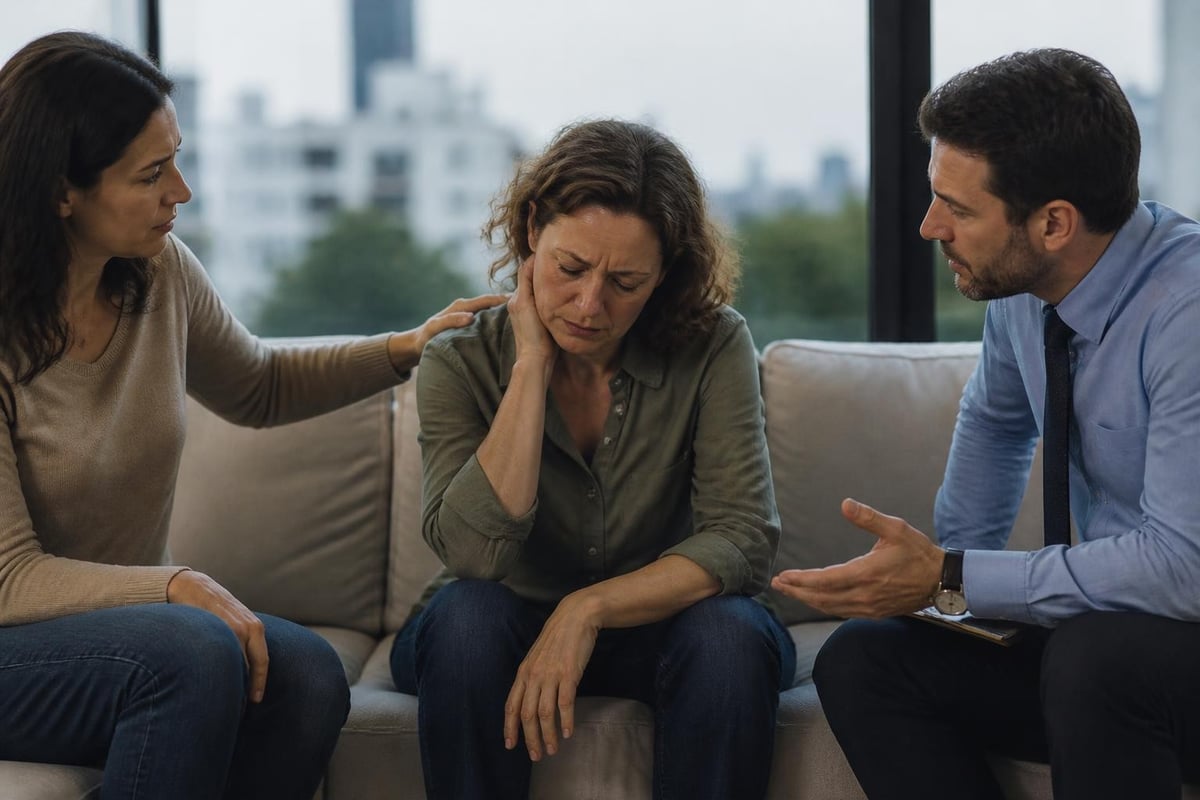
Finding quality chronic pain management near me requires evaluating several critical factors. Not all pain clinics offer the same level of care or range of services, and understanding what distinguishes comprehensive programs helps you make informed decisions.
Credentials and Specialization
Board-certified pain management specialists have completed extensive training beyond their primary medical degree. Look for physicians certified in:
- Pain Medicine by the American Board of Anesthesiology
- Physical Medicine and Rehabilitation (Physiatry)
- Neurology with pain subspecialty certification
- Interventional Pain Management
Many effective pain programs involve multidisciplinary teams including physicians, physical therapists, psychologists, and complementary medicine practitioners working collaboratively.
Treatment Philosophy and Approach
Quality chronic pain management programs emphasize function over pain scores alone. During initial consultations, clinics should:
- Conduct comprehensive assessments including medical history, physical examination, and functional limitations
- Discuss realistic treatment goals focused on improving daily activities
- Present multiple treatment options with evidence supporting each approach
- Involve you in shared decision-making about your care plan
- Address both physical and psychological aspects of pain
Red flags include clinics that immediately suggest surgery or long-term opioid therapy without exploring conservative options first. The American Society of Interventional Pain Physicians guidelines provide frameworks for responsible, evidence-based pain treatment.
Range of Available Treatments
Comprehensive facilities offer diverse treatment modalities tailored to individual needs. The Pain & Recovery Medical Centre’s Chronic Pain Management Program exemplifies this approach by providing various medications including Buprenorphine, NSAIDs, and Gabapentin-class medications, alongside counseling, acupuncture, physical therapy, chiropractic treatment, mind-body therapies, physiatry, trigger point injections, and dietary therapies.
| Treatment Category | Examples | Primary Benefits |
|---|---|---|
| Pharmacological | NSAIDs, anticonvulsants, topical agents | Pain reduction, inflammation control |
| Physical Therapies | PT, occupational therapy, exercise programs | Improved function, strength, flexibility |
| Interventional | Injections, nerve blocks, stimulation | Targeted pain relief, diagnostic clarity |
| Psychological | CBT, mindfulness, biofeedback | Coping skills, stress reduction, mood improvement |
| Complementary | Acupuncture, massage, dietary changes | Holistic support, reduced medication dependence |
Evidence-Based Treatment Options Available Locally
When evaluating chronic pain management near me, understanding which treatments have strong research support helps you advocate for effective care. Clinical evidence continues to grow, with newer studies examining both traditional and innovative approaches.
Physical and Rehabilitative Therapies
Exercise and physical therapy consistently demonstrate effectiveness for chronic musculoskeletal pain. Research on non-medicine treatments shows high-quality evidence supporting structured exercise programs, particularly for chronic low back pain.
Physical therapy benefits extend beyond pain reduction. These interventions improve:
- Cardiovascular fitness and endurance
- Muscle strength and joint stability
- Range of motion and flexibility
- Confidence in physical capabilities
- Long-term self-management skills
The APTA’s guidance on nonpharmacological treatments emphasizes that exercise should be individualized, progressive, and supervised initially by qualified therapists.
Psychological and Behavioral Interventions
Chronic pain affects mental health, and conversely, psychological factors influence pain perception and disability. Cognitive-behavioral therapy (CBT), acceptance and commitment therapy (ACT), and mindfulness-based interventions have robust evidence supporting their use in pain management.
Recent innovations include telehealth delivery of these interventions. Studies on telehealth-delivered mindfulness programs demonstrate that remote behavioral interventions can effectively reduce pain intensity and improve quality of life, making these treatments more accessible regardless of geographic location.
Medication Management Strategies
Modern medication approaches prioritize:
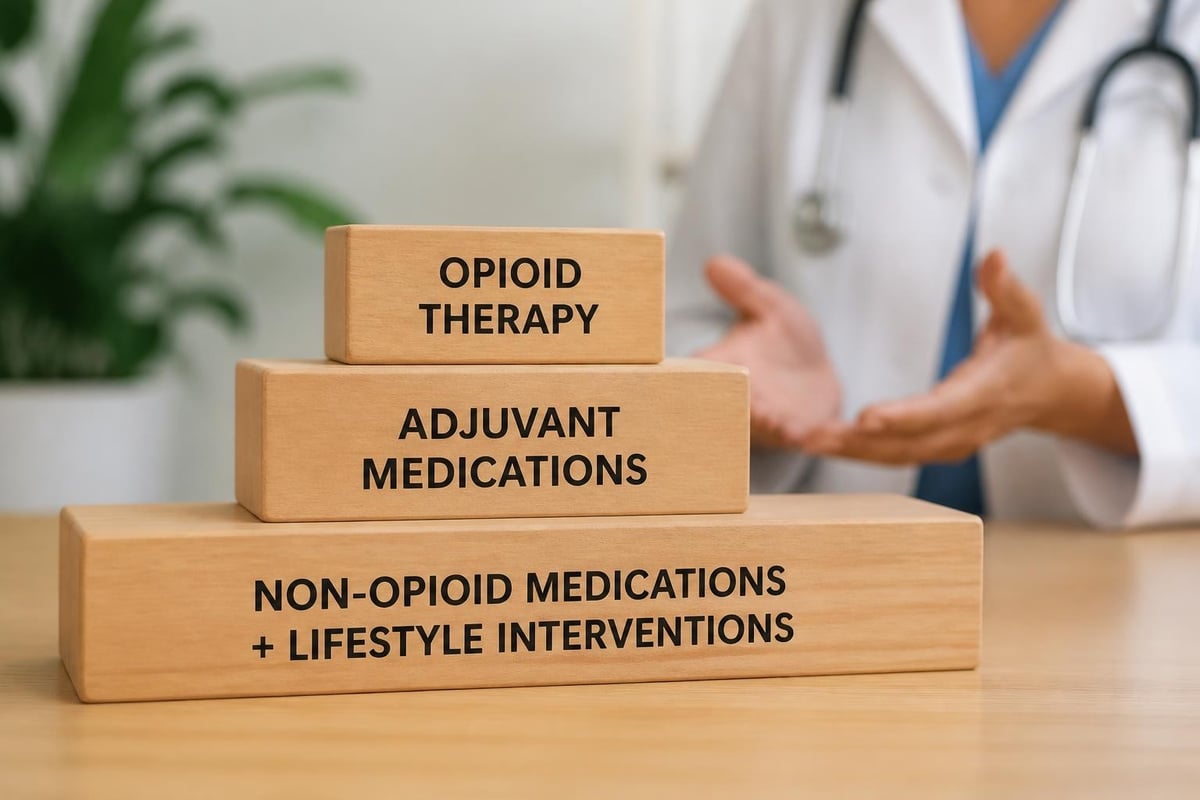
- Non-opioid first-line options: NSAIDs, acetaminophen, topical agents
- Adjuvant medications: Anticonvulsants (gabapentin, pregabalin), antidepressants (duloxetine, amitriptyline)
- Targeted therapies: Medications addressing specific mechanisms like neuropathic pain
- Careful opioid prescribing: When appropriate, with close monitoring and multimodal combination
Responsible opioid prescribing involves regular reassessment, functional goals, and awareness of risks including tolerance, dependence, and hyperalgesia.
Accessing Care: Insurance, Costs, and Practical Considerations
Beyond clinical quality, practical factors significantly impact your ability to maintain chronic pain management near me. Understanding these elements before starting treatment prevents unexpected obstacles.
Insurance Coverage and Payment Options
Coverage for pain management services varies widely among insurance plans. Most plans cover:
- Initial consultations and diagnostic procedures
- Physical therapy (with session limits)
- Many medications (though prior authorization may be required)
- Some interventional procedures when medically necessary
Coverage gaps often exist for:
- Complementary therapies like acupuncture
- Psychological services beyond limited sessions
- Certain newer medications or off-label uses
- Maintenance care after initial treatment phases
Before beginning treatment, verify coverage details and obtain pre-authorization when required. Some specialized programs operate outside insurance networks but provide documentation for potential reimbursement.
Geographic Accessibility and Telehealth Options
Location matters when treatment requires frequent visits. Consider:
- Travel time and transportation reliability
- Parking availability and costs
- Accessibility for mobility limitations
- Weather impacts on appointment attendance
Telehealth has expanded access to chronic pain management significantly. Digital pain management programs show promising results for self-management education, psychological interventions, and medication follow-ups, though physical examinations and procedures still require in-person visits.
Treatment Timeline Expectations
Chronic pain management requires patience and persistence. Realistic timelines include:
| Phase | Duration | Focus |
|---|---|---|
| Initial Assessment | 1-2 visits | Diagnosis, baseline evaluation, goal setting |
| Treatment Initiation | 4-12 weeks | Starting therapies, adjusting medications, learning techniques |
| Active Treatment | 3-6 months | Intensive therapy, skill building, optimization |
| Maintenance | Ongoing | Continued self-management, periodic check-ins, adjustments |
Improvement often occurs gradually. Functional gains may precede significant pain reduction, making it important to track multiple outcome measures beyond pain intensity alone.
Evaluating Treatment Success and Making Adjustments
Effective chronic pain management near me involves continuous assessment and refinement. Understanding how to evaluate progress and when to seek changes ensures you receive optimal care.
Meaningful Outcome Measures
Pain intensity represents just one measure of success. Comprehensive evaluation includes:
- Functional improvements: Ability to perform work tasks, household activities, hobbies, and social participation
- Sleep quality: Duration, efficiency, and restorative sleep
- Mood and mental health: Depression and anxiety symptoms, overall well-being
- Medication use: Reductions in pain medication needs
- Quality of life: Overall satisfaction and life engagement
Many clinics use standardized questionnaires to track these domains systematically. Keeping personal records of daily function helps identify trends that might not be apparent during periodic appointments.
When to Consider Treatment Changes
Several situations warrant discussing treatment modifications with your provider:
- Minimal improvement after adequate trial duration (typically 8-12 weeks for most interventions)
- Intolerable side effects from medications or other therapies
- Functional decline or worsening symptoms despite treatment
- New symptoms suggesting condition changes
- Life circumstances affecting treatment feasibility
Communication remains essential. Effective pain management requires ongoing dialogue between patients and providers about what’s working and what needs adjustment.
Red Flags Requiring Immediate Attention
While chronic pain management typically involves gradual changes, certain symptoms require urgent evaluation:
- Sudden, severe pain escalation without clear cause
- New neurological symptoms (weakness, numbness, bowel/bladder changes)
- Signs of infection at injection sites or surgical areas
- Medication-related severe reactions
- Thoughts of self-harm related to pain burden
Establish clear channels for urgent communication with your pain management team when searching for chronic pain management near me.
Building a Sustainable Long-Term Management Plan
Chronic conditions require sustainable approaches that integrate into daily life rather than dominating it. Creating systems that support long-term success prevents treatment fatigue and maximizes quality of life.
Self-Management Skills and Education
Patient education empowers you to actively participate in your care. Essential self-management skills include:
- Pacing strategies: Balancing activity and rest to prevent pain flares
- Stress management techniques: Breathing exercises, progressive relaxation, meditation
- Ergonomic awareness: Proper body mechanics for daily activities
- Sleep hygiene practices: Consistent routines supporting restorative sleep
- Nutrition principles: Anti-inflammatory diets and healthy weight management
Many comprehensive programs incorporate education sessions teaching these skills. Resources available through specialized centers often include written materials, videos, and support group opportunities.
Integrating Multiple Modalities
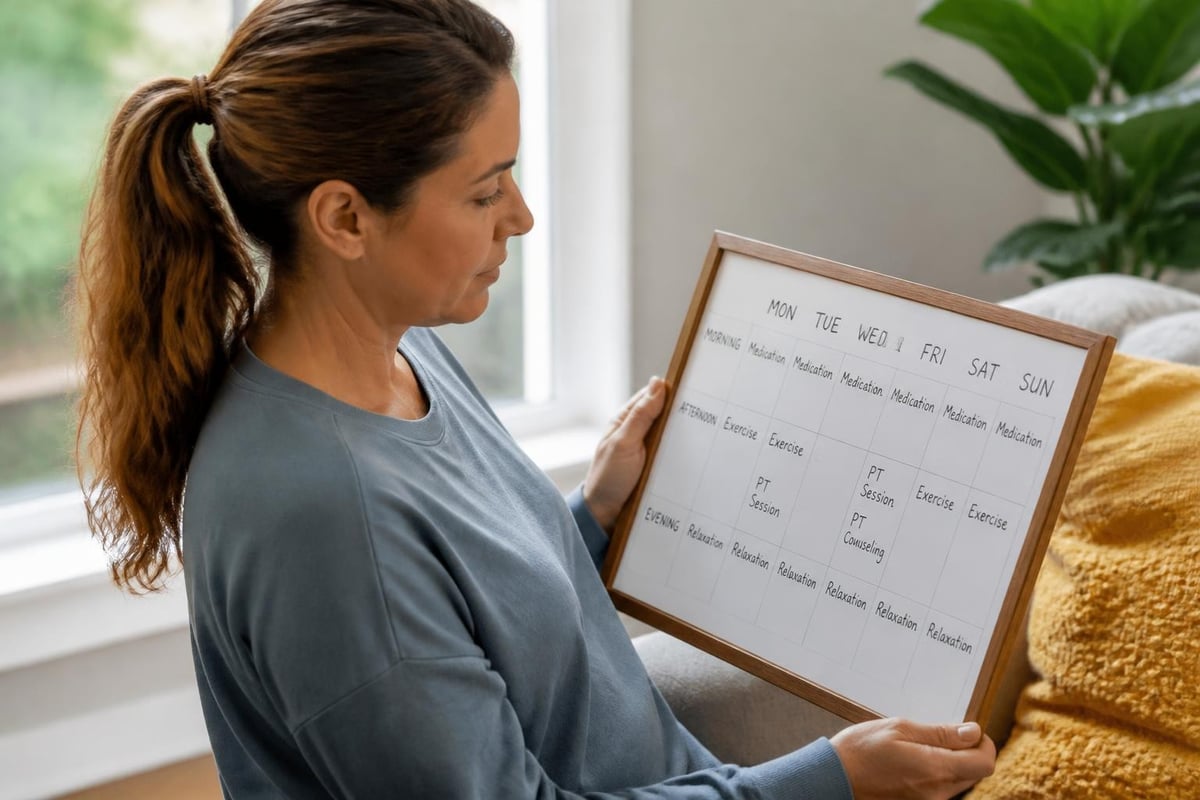
Combining treatments typically produces better outcomes than single interventions alone. A typical integrated plan might include:
- Daily: Home exercise program, stress management practice, medication schedule
- Weekly: Physical therapy sessions, support group participation, leisure activities
- Monthly: Provider check-ins, medication reviews, progress assessments
- As needed: Interventional procedures, psychological counseling intensification, complementary therapies
Coordination among providers prevents contradictory advice and ensures treatments complement rather than conflict with each other. Comprehensive pain management services facilitate this coordination through integrated care teams.
Adapting to Life Changes
Chronic pain management must flex with life’s demands. Strategies for maintaining treatment during transitions:
- Work changes: Communicate needs, explore accommodations, adjust schedules
- Family responsibilities: Involve family in understanding treatment importance, delegate tasks, maintain boundaries
- Financial pressures: Explore lower-cost alternatives, prioritize essential interventions, investigate assistance programs
- Seasonal variations: Plan for weather impacts, adjust outdoor activities, prepare for holiday stress
Regular plan reviews ensure your chronic pain management near me remains aligned with current life circumstances rather than becoming another source of stress.
Finding the Right Match: Questions to Ask Prospective Providers
Selecting a chronic pain management provider involves more than checking credentials and location. The therapeutic relationship significantly impacts outcomes, making initial consultations crucial for assessing fit.
Essential Questions for Initial Consultations
Before committing to treatment, ask prospective providers:
About their approach:
- What is your treatment philosophy for chronic pain?
- How do you typically structure treatment plans?
- What outcomes should I realistically expect?
- How do you measure treatment success?
About their practice:
- How long are typical appointments?
- How quickly can I get appointments when problems arise?
- Who covers for you when you’re unavailable?
- How do you coordinate with other providers on my care team?
About your specific situation:
- What experience do you have treating my specific condition?
- What treatment options do you recommend for me and why?
- What are the risks and benefits of each option?
- Are there alternatives you don’t offer that I should consider elsewhere?
Provider responses reveal their communication style, willingness to educate patients, and approach to shared decision-making.
Assessing the Clinical Environment
The facility itself provides important information:
- Staff interactions: Are administrative staff helpful, respectful, and responsive?
- Wait times: Does the clinic run on schedule or consistently behind?
- Technology: Are there patient portals for communication and records access?
- Atmosphere: Does the environment feel professional, clean, and welcoming?
Contacting facilities with preliminary questions helps assess responsiveness before scheduling appointments.
Understanding Treatment Agreements
Many pain management practices use treatment agreements outlining mutual expectations. These typically address:
- Appointment attendance and cancellation policies
- Medication policies including single prescriber requirements
- Random drug testing procedures
- Expected patient responsibilities (therapy participation, self-management)
- Conditions for treatment discontinuation
Review these carefully and ask questions about any unclear terms. Legitimate agreements protect both patients and providers while establishing clear treatment parameters.
Geographic Considerations: Urban vs. Rural Access
Where you live significantly impacts chronic pain management near me availability. Understanding regional differences helps set realistic expectations and identify solutions for access challenges.
Urban and Suburban Advantages
Metropolitan areas typically offer:
- Multiple specialized pain clinics and practitioners
- Academic medical centers with cutting-edge treatments
- Diverse treatment modality availability
- Shorter wait times due to provider abundance
- Better public transportation options
However, urban settings may also involve higher costs, parking challenges, and overwhelming choices that complicate decision-making.
Rural Access Challenges and Solutions
Rural residents often face:
- Limited local specialist availability
- Long travel distances to comprehensive care
- Fewer treatment modality options
- Extended wait times for appointments
- Transportation barriers
Solutions for rural access gaps include:
- Telehealth utilization: Maximize remote visits for appropriate services
- Hub-and-spoke models: Periodic visits to distant specialists combined with local primary care coordination
- Mobile services: Some organizations provide traveling clinics for certain procedures
- Intensive programs: Concentrated treatment periods followed by remote maintenance
- Community partnerships: Local physical therapists, psychologists, and complementary providers coordinating with distant pain specialists
Pain management centers increasingly recognize these barriers and develop flexible service delivery models accommodating geographic constraints.
Regional Program Variations
State regulations affect treatment availability, particularly for:
- Medical cannabis programs (varying qualifying conditions and access)
- Buprenorphine prescribing requirements
- Interventional procedure coverage
- Controlled substance monitoring programs
- Scope of practice for non-physician providers
Research your state’s specific regulations when evaluating chronic pain management near me options.
Finding effective chronic pain management requires understanding treatment options, evaluating provider quality, and considering practical access factors. The right program combines evidence-based interventions, skilled providers, and sustainable approaches tailored to your unique circumstances and goals. Pain & Recovery Medical Centre offers comprehensive chronic pain management programs designed to improve quality of life through individualized treatment plans, combining medical expertise with therapeutic support to help patients regain function and independence right here in State College, Pennsylvania. . Contact our team today to discuss how our integrated approach can address your specific pain management needs.