

Chronic pain affects millions of Americans, disrupting daily activities, work, relationships, and overall quality of life. Yet, living well pain management is not about achieving a pain-free existence but rather developing a comprehensive approach that enables individuals to reclaim independence, pursue meaningful activities, and improve their overall well-being despite persistent discomfort. This holistic philosophy integrates medical interventions, lifestyle modifications, psychological support, and self-care practices to create sustainable, long-term relief. Understanding how to manage pain effectively requires recognizing that successful outcomes depend on personalized treatment plans that address the physical, emotional, and social dimensions of chronic pain conditions.
Understanding the Foundation of Living Well Pain Management
Living well pain management begins with acknowledging that chronic pain is a complex condition requiring multifaceted solutions. Unlike acute pain that signals injury and resolves with healing, chronic pain persists beyond normal recovery times and often becomes a condition in itself. The World Health Organization recommends evidence-based approaches that combine pharmacological and non-pharmacological interventions for conditions like chronic low back pain.
The foundation of effective pain management rests on several core principles. First, treatment must be individualized based on pain type, severity, underlying causes, and personal health factors. Second, successful management requires active patient participation rather than passive reliance on medications alone. Third, outcomes should be measured not just by pain reduction but by functional improvement and quality of life enhancement.
The Biopsychosocial Model
Modern pain medicine recognizes that chronic pain involves biological, psychological, and social factors working in combination. The biological component includes tissue damage, inflammation, and nervous system sensitization. Psychological factors encompass stress, anxiety, depression, and coping mechanisms. Social elements involve relationships, work capabilities, and community engagement.
This integrated perspective explains why two patients with similar physical findings may experience vastly different pain levels and disability. Effective living well pain management addresses all three dimensions simultaneously, creating synergistic benefits that exceed what any single intervention can provide.
Medical Interventions for Comprehensive Pain Control
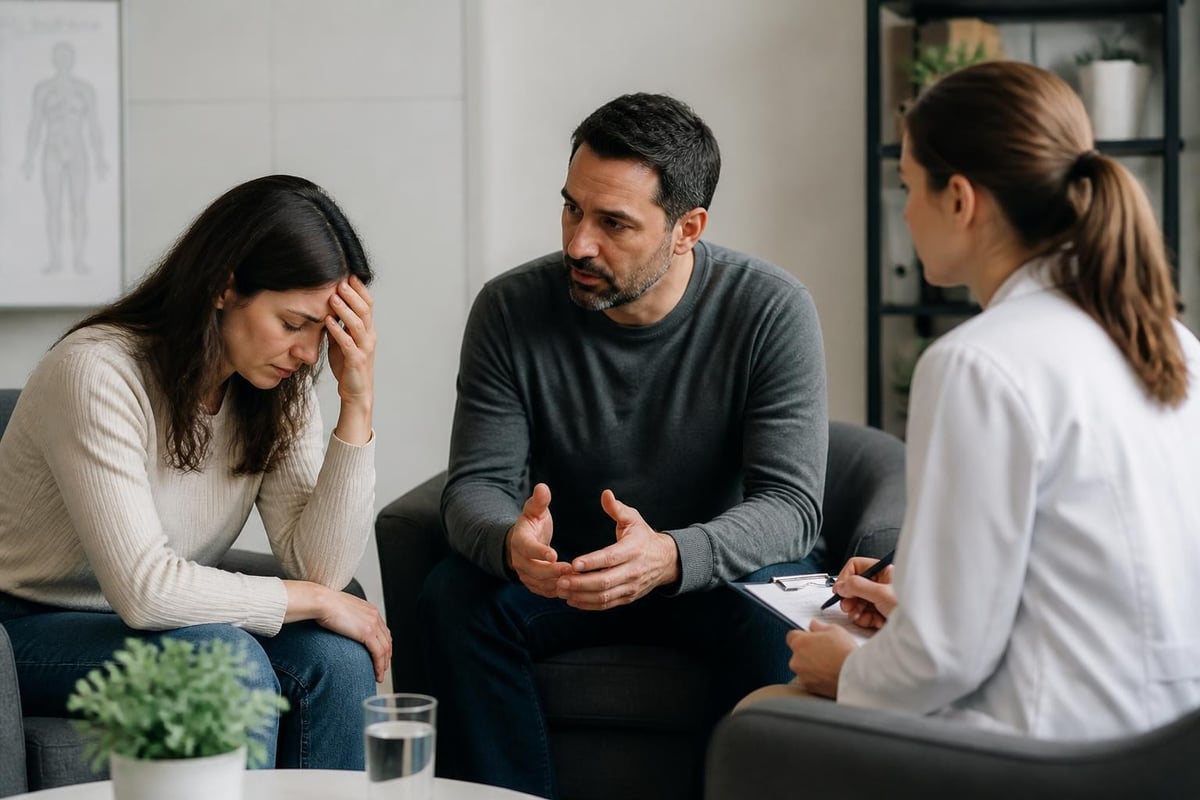
Medical treatments form a critical pillar of living well pain management strategies. Medications work through various mechanisms to reduce pain signals, decrease inflammation, and modulate nervous system responses. The key is finding the right combination with minimal side effects.
Medication Categories and Their Roles
Different medication classes serve distinct purposes in pain management protocols:
| Medication Type | Primary Benefit | Common Uses |
|---|---|---|
| NSAIDs | Reduce inflammation and mild-moderate pain | Arthritis, musculoskeletal pain, post-injury |
| Gabapentinoids | Address nerve pain and sensitization | Neuropathy, fibromyalgia, complex regional pain |
| Topiramate | Prevent chronic migraine and neuropathic pain | Headache disorders, nerve-related pain |
| Buprenorphine | Long-acting opioid partial agonist | Moderate-severe chronic pain requiring opioid therapy |
| Topical Agents | Localized pain relief | Joint pain, muscle soreness, targeted areas |
The Chronic Pain Management Program employs multiple medication options tailored to individual needs, recognizing that optimal pain control often requires combination therapy rather than relying on a single drug. Treatment plans are continuously adjusted based on response, side effects, and changing patient needs throughout their care journey.
Interventional Procedures
Beyond oral medications, certain procedures provide targeted relief for specific pain conditions. Trigger point injections deliver medication directly to muscle knots causing referred pain patterns. Nerve blocks interrupt pain signals at their source. Physical medicine approaches like physiatry assess biomechanics and prescribe corrective exercises.
These interventions work best when integrated with rehabilitation therapies that address underlying movement patterns, muscle imbalances, and functional limitations. The goal is not just temporary relief but lasting improvement in physical capabilities.
Physical Therapies and Movement-Based Strategies
Movement remains one of the most powerful tools in living well pain management, even though pain often creates fear of activity. Therapeutic exercise improves strength, flexibility, endurance, and coordination while reducing pain sensitivity over time. Research on self-management programs demonstrates significant benefits when patients engage actively in structured physical activity protocols.
Exercise Prescription Principles
Effective exercise programs for chronic pain follow specific guidelines:
- Start low and go slow – Begin with minimal intensity and gradually progress
- Choose low-impact activities – Walking, swimming, cycling reduce joint stress
- Include strength training – Build supporting musculature around painful areas
- Add flexibility work – Stretching and mobility exercises improve range of motion
- Practice consistency – Regular activity outperforms sporadic intense efforts
Physical therapy provides professional guidance for proper form, appropriate progression, and exercise modifications. Therapists design programs targeting specific impairments while avoiding movements that aggravate symptoms.
Complementary Physical Modalities
Additional physical therapies enhance living well pain management outcomes:
- Acupuncture – Traditional Chinese medicine approach that may reduce pain through multiple mechanisms including endorphin release and nervous system modulation
- Chiropractic treatment – Spinal manipulation and adjustment for musculoskeletal conditions
- Massage therapy – Soft tissue manipulation to reduce muscle tension and improve circulation
- Heat and cold therapy – Temperature modalities for inflammation control and muscle relaxation
Many patients find combining these approaches with conventional medicine creates superior results compared to either alone. The resources available help patients understand how different therapies work together.

Mind-Body Techniques and Psychological Support
The relationship between mind and body profoundly impacts pain perception and coping ability. Psychological interventions are not about dismissing pain as imaginary but rather leveraging brain-body connections to reduce suffering and improve function. Harvard Health Publishing regularly features evidence on mind-body approaches for pain management.
Cognitive Behavioral Therapy
Cognitive behavioral therapy (CBT) helps patients identify and modify thought patterns that amplify pain and disability. Common targets include catastrophizing (expecting worst-case scenarios), rumination (obsessive focus on pain), and all-or-nothing thinking (believing you must be pain-free to function).
CBT teaches practical skills:
- Pain reframing – Viewing pain as a signal rather than a threat
- Activity pacing – Breaking tasks into manageable segments with rest periods
- Problem-solving – Finding creative solutions to pain-related limitations
- Goal-setting – Establishing realistic, meaningful objectives
Therapists work collaboratively with patients to develop coping strategies tailored to individual circumstances and challenges.
Mindfulness and Relaxation Practices
Mindfulness meditation cultivates present-moment awareness without judgment, helping patients observe pain sensations without becoming overwhelmed by them. Regular practice reduces stress hormones, decreases muscle tension, and may lower pain intensity over time.
Additional relaxation techniques include progressive muscle relaxation, guided imagery, deep breathing exercises, and biofeedback. These methods activate the parasympathetic nervous system, counteracting the stress response that typically accompanies chronic pain.
| Mind-Body Technique | Primary Mechanism | Time Commitment |
|---|---|---|
| Mindfulness meditation | Present-moment awareness, reduced reactivity | 10-30 minutes daily |
| Progressive muscle relaxation | Systematic tension release | 15-20 minutes |
| Guided imagery | Mental visualization for calm | 10-15 minutes |
| Deep breathing | Nervous system regulation | 5-10 minutes, multiple times |
| Biofeedback | Physiological self-regulation training | 30-60 minute sessions |
Lifestyle Modifications for Sustained Relief
Living well pain management extends beyond formal treatments to encompass daily choices that either support or undermine pain control efforts. Lifestyle factors create the foundation upon which medical and therapeutic interventions build.
Sleep Optimization
Poor sleep intensifies pain perception while chronic pain disrupts sleep, creating a vicious cycle. Breaking this pattern requires deliberate sleep hygiene practices:
- Maintain consistent sleep and wake times, even on weekends
- Create a cool, dark, quiet bedroom environment
- Limit screen time for one hour before bed
- Avoid caffeine after noon and alcohol near bedtime
- Use the bed only for sleep and intimacy, not work or entertainment
Addressing sleep disorders like sleep apnea or restless leg syndrome may require medical evaluation. Quality sleep supports tissue healing, emotional resilience, and pain tolerance. For many patients, understanding frequently asked questions about pain management includes learning about the sleep-pain connection.
Nutrition and Anti-Inflammatory Eating
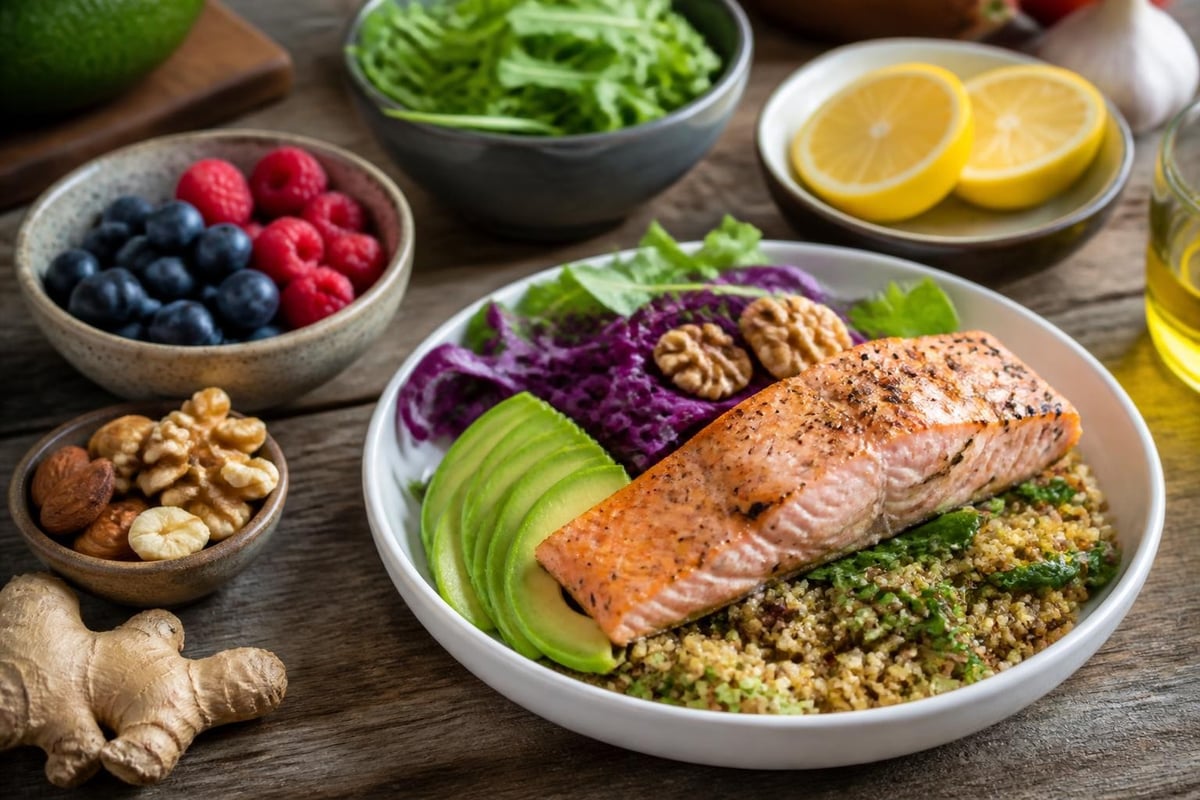
Dietary choices influence inflammation levels throughout the body. An anti-inflammatory eating pattern emphasizes:
- Colorful vegetables and fruits – Rich in antioxidants and phytonutrients
- Omega-3 fatty acids – Found in fatty fish, walnuts, flaxseeds
- Whole grains – Provide fiber and steady energy
- Lean proteins – Support tissue repair and muscle maintenance
- Healthy fats – Olive oil, avocados, nuts in moderation
Conversely, limiting processed foods, refined sugars, excessive saturated fats, and alcohol may reduce systemic inflammation. Some patients benefit from identifying personal food triggers through elimination diets under professional guidance.
Stress Management and Social Connection
Chronic stress amplifies pain through multiple pathways including muscle tension, inflammation, and nervous system sensitization. Effective stress management combines:
- Time management – Prioritizing essential activities and delegating when possible
- Boundary setting – Learning to decline commitments that exceed capacity
- Enjoyable activities – Scheduling pleasure and relaxation, not just obligations
- Social support – Maintaining relationships that provide understanding and assistance
Isolation worsens pain outcomes, while meaningful social connections buffer against pain-related distress. Support groups connect patients facing similar challenges, reducing feelings of being alone in the struggle.
Building Your Personalized Pain Management Plan
No single approach works for everyone experiencing chronic pain. Living well pain management succeeds when patients and providers collaborate to design individualized plans that evolve over time. The National Academies of Sciences emphasizes personalized, patient-centered care as essential for optimal pain management outcomes.
Assessment and Goal Setting
Comprehensive evaluation forms the starting point. This includes medical history, physical examination, diagnostic testing when indicated, and assessment of functional limitations. Equally important is understanding patient goals, which may include:
- Returning to work or modifying work duties
- Participating in hobbies and recreational activities
- Improving sleep quality and energy levels
- Reducing medication dependence
- Engaging more fully with family and friends
Goals should be specific, measurable, achievable, relevant, and time-bound (SMART). Rather than "eliminate all pain," realistic goals might include "walk 30 minutes three times weekly" or "reduce pain interference with sleep from nightly to twice weekly."
Treatment Sequencing and Combination
Effective plans typically layer interventions progressively. Initial steps often include:
- Patient education on pain mechanisms and self-management
- Physical therapy and home exercise program establishment
- First-line medications with favorable safety profiles
- Mind-body techniques and stress reduction practices
- Lifestyle modifications targeting sleep, nutrition, and activity
If initial measures provide insufficient relief, additional options include specialized medications, interventional procedures, or intensive multidisciplinary programs. The clinical practice guidelines from organizations like the American College of Rheumatology inform evidence-based treatment decisions for specific conditions.
Monitoring Progress and Adjusting Plans
Regular follow-up allows tracking of:
- Pain intensity – Using numerical rating scales or descriptive measures
- Functional capacity – Documenting activities accomplished and limitations
- Quality of life – Assessing mood, relationships, and life satisfaction
- Side effects – Monitoring for adverse effects from treatments
- Goal achievement – Celebrating progress and adjusting objectives
Treatment plans require flexibility. What works initially may need modification as conditions change or tolerance develops. Open communication between patients and providers enables timely adjustments that maintain progress.
The Role of Self-Efficacy and Patient Empowerment
Perhaps the most critical element in living well pain management is the patient's belief in their ability to influence outcomes. Self-efficacy, the confidence in one's capacity to perform specific behaviors and achieve goals, strongly predicts pain management success. When patients view themselves as active participants rather than passive recipients of care, outcomes improve dramatically.
Developing Pain Management Skills
Empowerment grows through skill development. Patients learn to:
- Recognize pain patterns – Identifying triggers, fluctuations, and relief factors
- Apply appropriate strategies – Matching interventions to specific situations
- Pace activities – Balancing work and rest to avoid boom-bust cycles
- Communicate effectively – Describing symptoms accurately to healthcare providers
- Make informed decisions – Weighing treatment options based on personal values
Education programs, often delivered in group formats, teach these competencies while building confidence through practice and peer support. Understanding the distinction between treating chronic pain and managing it helps patients set appropriate expectations.
Overcoming Barriers to Self-Management
Common obstacles include:
| Barrier | Strategy |
|---|---|
| Fear of movement | Gradual exposure with professional guidance |
| Medication concerns | Education on benefits, risks, and alternatives |
| Time constraints | Starting with brief, simple interventions |
| Lack of support | Connecting with support groups and resources |
| Financial limitations | Prioritizing low-cost self-management approaches |
| Skepticism | Trying interventions on trial basis with measurable goals |
Addressing these barriers requires problem-solving, sometimes with professional assistance, and recognizing that setbacks are normal parts of the long-term management process.
Integrating Complementary and Alternative Approaches
Many patients explore therapies outside conventional Western medicine as part of living well pain management. While evidence varies across different modalities, several approaches show promise when integrated thoughtfully with standard care. Medical marijuana represents one such option, with research supporting its use for various chronic pain conditions in patients who qualify.
Evidence-Based Complementary Therapies
Several complementary approaches have research support:
- Yoga – Combines movement, breathing, and meditation for pain conditions including low back pain and arthritis
- Tai chi – Gentle martial art emphasizing balance, flexibility, and mind-body connection
- Supplements – Certain options like omega-3 fatty acids, vitamin D (when deficient), and turmeric may offer modest benefits
- Manual therapies – Techniques including osteopathic manipulation and myofascial release
Critical evaluation of evidence helps distinguish between approaches with scientific support and those promoted primarily through testimonials. Professional journal guidance provides clinicians and patients with current evidence reviews on integrative pain management.
Working with Multiple Providers
Integrative care often involves several professionals. Successful coordination requires:
- Designating one provider as the primary pain management coordinator
- Ensuring all providers know about all treatments being used
- Sharing medical records and treatment plans across the care team
- Watching for duplicated therapies or potential interactions
- Maintaining open communication about what helps and what doesn't
Comprehensive centers facilitate this coordination by housing multiple specialties under one roof, improving communication and reducing fragmentation. Learning more about integrated care models helps patients understand the benefits of coordinated treatment.
Measuring Success Beyond Pain Scores
While pain intensity matters, living well pain management recognizes that quality of life encompasses much more than numerical pain ratings. Successful outcomes include improved function, enhanced mood, better sleep, stronger relationships, and greater life satisfaction even when some pain persists.
Functional Improvement Metrics
Meaningful progress shows in daily activities:
- Walking longer distances without significant pain increase
- Returning to valued hobbies and recreational pursuits
- Completing household tasks with less difficulty
- Participating more actively in family activities
- Improving work productivity or returning to employment
Tracking these functional gains provides motivation during periods when pain scores may not change dramatically. Small improvements accumulate into significant quality of life enhancement over time.
Psychological Well-Being Indicators
Mental and emotional health profoundly affect pain experience. Positive indicators include:
- Reduced anxiety about pain and its implications
- Decreased depression symptoms and improved mood
- Greater sense of control over pain and life circumstances
- Enhanced ability to cope with pain flares when they occur
- Improved self-esteem and reduced pain-related identity
Regular assessment of psychological well-being ensures that mental health needs receive appropriate attention alongside physical treatments. Understanding pain in management context includes recognizing these psychological dimensions.
Living well pain management requires commitment, patience, and a comprehensive approach that addresses the physical, psychological, and social dimensions of chronic pain. By combining evidence-based medical treatments, physical rehabilitation, mind-body techniques, and lifestyle modifications, individuals can reclaim meaningful lives despite persistent pain. The journey is highly personal, requiring customized solutions that evolve with changing needs and circumstances. Pain & Recovery Medical Centre specializes in creating individualized treatment programs that integrate multiple modalities, from medication management and physical therapies to counseling and complementary approaches, helping Pennsylvania adults achieve greater independence, improved function, and enhanced quality of life while living with chronic pain.