
A chronic back pain clinic is a medical practice that evaluates pain lasting longer than about three months, identifies its likely sources, and builds a treatment plan that combines medication, physical approaches, and behavioral support. For adults in State College and central Pennsylvania whose current medication no longer controls their pain, the right clinic offers a thorough history, selective testing, and a plan that can change as your condition does.
This article explains what a first visit involves, which treatments are common, how to judge whether a practice is a good match, and how Pennsylvania’s medical marijuana program fits into some plans.
What Happens at a Chronic Back Pain Clinic
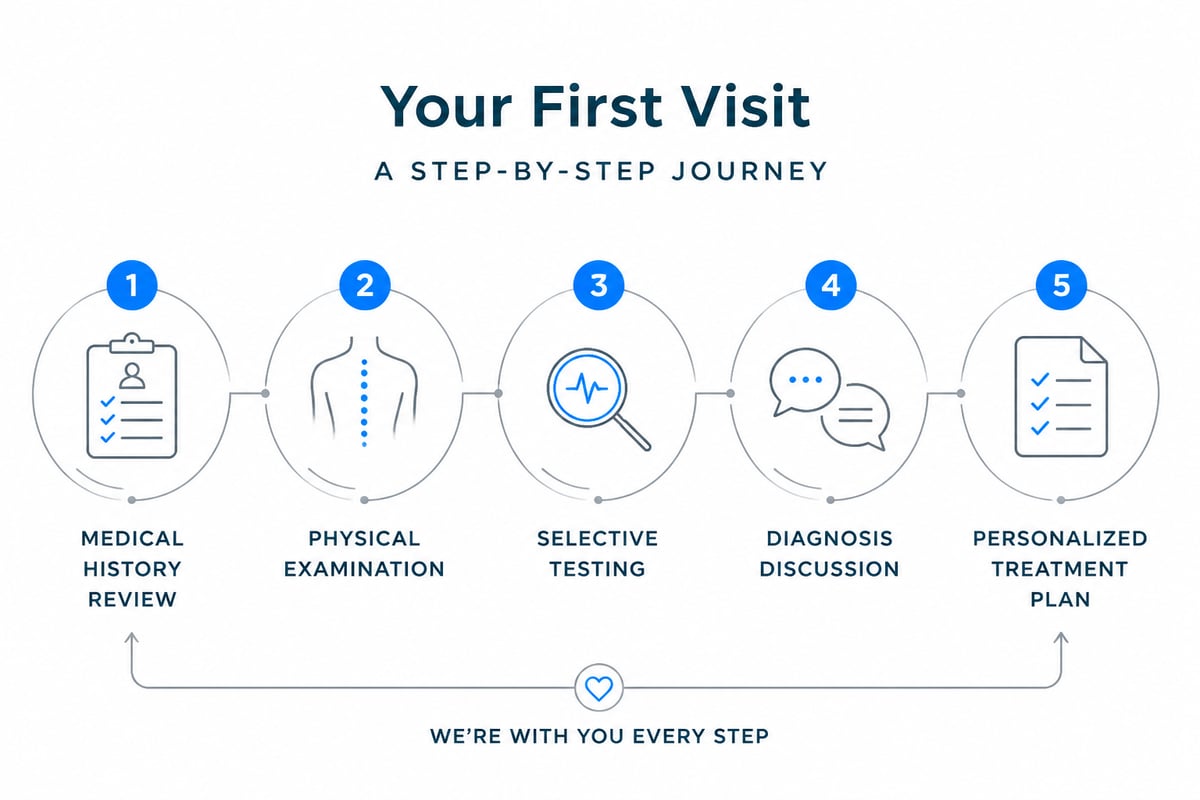
A visit to a chronic back pain clinic typically begins with a detailed conversation, a physical examination, and a review of what you have already tried, before any decisions about testing or treatment are made.
Expect questions about when the pain began, what makes it better or worse, how it affects sleep and work, and which medications or therapies have helped or failed. Clinicians also ask about mood, stress, and past or current medication use, because these factors influence how pain is experienced and which treatments are safe.
The physical examination usually covers posture, range of motion, strength, reflexes, and sensation in the legs. A physician may press along the spine and surrounding muscles to find trigger points or areas of tenderness.
Bring the following to your first appointment:
- A list of all current medications and supplements, with doses
- Records of prior imaging, injections, surgeries, and physical therapy
- A short pain diary covering the past one to two weeks
- Your goals, such as walking farther, sleeping through the night, or returning to work
Why Imaging Is Not Always the First Step
Many patients expect an MRI at the first visit, yet routine imaging often adds little. Choosing Wisely Canada recommends against routine imaging for low back pain, regardless of symptom duration, unless there is reason to suspect serious underlying pathology or the scan is needed to plan or carry out an evidence-based intervention.
A related guideline from Choosing Wisely Canada says imaging for a suspected uncomplicated herniated disc or spinal stenosis is indicated only after at least six weeks of conservative management, and only when symptoms are severe enough that surgery is being considered. A clinic that orders scans selectively is applying current evidence, not withholding care.
When to Seek Care From a Chronic Back Pain Clinic
You should see a clinic when back pain has not improved after a few weeks of home care, limits daily activities, or becomes difficult to cope with. The NHS gives this same guidance, and it applies equally to patients in Pennsylvania.
Some symptoms call for urgent or emergency attention rather than a scheduled clinic visit. These include loss of bladder or bowel control, numbness in the groin or inner thighs, sudden leg weakness, fever with back pain, or pain following a significant injury. The NHS also provides a guide to whether a musculoskeletal service is right for you, which explains which symptoms need a doctor, urgent care, or emergency help.
For patients whose pain has persisted for months and whose medication no longer holds it in check, a specialized practice is a reasonable next step. A related overview on chronic pain management near you explains how local options differ.
Treatments a Chronic Back Pain Clinic May Offer
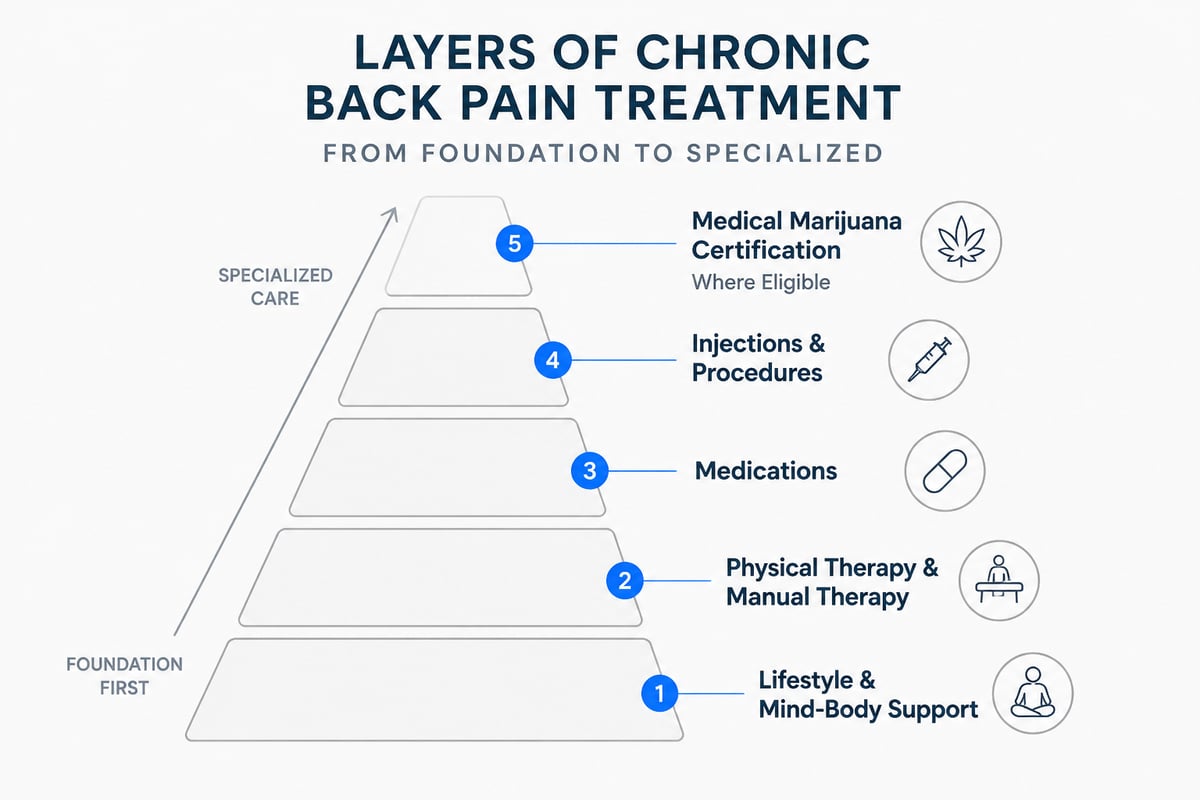
Treatment at a chronic back pain clinic is rarely a single intervention. Most plans layer several approaches, starting with the least invasive and adjusting based on your response.
Medications
Medication choices depend on the pain’s source. Common categories include:
- NSAIDs for inflammation-driven pain
- Gabapentin-class medications and topiramate for nerve-related pain
- Buprenorphine, a partial opioid agonist sometimes used for persistent pain when other options fall short
- Muscle relaxants for short-term spasm
A responsible clinic explains the benefits and risks of each option and reviews them regularly. Longer-term use of any drug calls for monitoring.
Physical and Manual Therapies
The NHS lists group exercise, physiotherapy, manual therapy, and cognitive behavioural therapy among treatments that may be recommended when back pain has not improved after a few weeks, according to its back pain guidance. In practice, this can mean physical therapy, chiropractic care, acupuncture, or physiatry, which is rehabilitation medicine focused on function.
Injections and Procedures
Trigger point injections can relieve tight, painful muscle knots. Other interventional options, such as epidural or facet joint injections and nerve ablation, are typically provided by procedural specialists. A clinic may coordinate a referral when your pattern of pain suggests you would benefit.
Mind-Body and Lifestyle Support
Counseling, mind-body techniques, and dietary changes address the factors that amplify pain, including poor sleep, stress, and inactivity. These are not substitutes for medical care. They are part of it.
How to Choose a Chronic Back Pain Clinic
The best way to choose a chronic back pain clinic is to compare practices on a short list of concrete criteria: clinician credentials, treatment breadth, payment model, and how the team handles medication decisions.
Use these questions as a checklist:
- Who will treat you? Ask about the physician’s board certification and years in practice. A long record in primary care or internal medicine suggests broad clinical judgment.
- Is the plan individualized? Be cautious of any practice that offers one standard protocol to every patient.
- What is the range of options? A clinic that combines conventional and alternative approaches gives you more ways to adjust if the first plan falls short.
- How does billing work? Confirm whether the practice accepts insurance, and what you will pay out of pocket for visits and services. Some practices operate on a self-pay basis only, so ask before you book.
- How are medications managed? Ask which controlled substances the clinic prescribes and how often it reviews them. A compliant practice should be able to explain how it handles prescribing and monitoring.
- Will you be treated with respect? Judgement-free, compassionate care matters when you have been living with pain for years and may feel dismissed elsewhere.
Be wary of promises of a cure, pressure to start procedures at the first visit, or reluctance to explain why a test is being ordered.
Medical Marijuana Certification for Back Pain in Pennsylvania
Pennsylvania adults who have a qualifying condition, which can include severe chronic or intractable pain, may be eligible for medical marijuana, and a physician must certify them. Not every chronic back pain clinic offers this, so confirm it before booking if it is part of what you want to discuss.
Certification is a medical decision made after an evaluation, not an automatic outcome. The physician reviews your diagnosis, your treatment history, and any risks, then decides whether medical marijuana is appropriate alongside your other therapies. Expect to be asked what you have already tried, how well each option worked, and what side effects you experienced, along with your history of medication use and any other conditions that could affect safety. Bring records of prior treatment where you can, because they show the physician why additional options are being considered. Some patients are certified after the first evaluation, while others are advised to try or adjust other therapies first. Certification also does not end your other care. Physical therapy, counseling, and medication reviews continue, and the physician can reassess whether marijuana is helping at follow-up visits. At Pain & Recovery Medical Centre, medical marijuana is one of several proven conventional and alternative treatments integrated into an individualized plan, so it is considered in context rather than as a stand-alone answer.
If you are weighing options, the broader discussion of managing chronic pain covers how different approaches can work together.

What Pain & Recovery Medical Centre Offers Local Patients
Pain & Recovery Medical Centre serves adults 18 and older in Pennsylvania, and its care is built around each patient’s needs rather than a fixed protocol. Physician Dr. Paul Simpson has over 35 years of practice experience in primary care Internal Medicine. For over 10 years he has specialized in chronic pain management and treatment of opioid dependence.
Preparing for Your First Appointment
A little preparation makes your first visit more productive and helps the physician see the full picture of your pain.
Start by tracking your symptoms for a week or two. Note pain levels from 0 to 10 at different times of day, the activities that provoke it, and how well you sleep. Write down every treatment you have tried, including over-the-counter products, with a note on what helped and what did not.
Think about function as well as pain scores. Goals like “carry groceries without a flare” or “sit through a meeting” give a clinician something specific to work toward and measure. They also make it easier to judge, a few months in, whether the plan is working.
Finally, prepare your questions. Useful ones include how long before you should expect to notice a change, what the plan is if the first approach fails, and how often your medications will be reviewed. If you are curious about the broader range of approaches, this overview of treating chronic pain is a helpful companion.
Frequently Asked Questions
How long does it take to see improvement?
Timelines vary. Some patients notice relief within weeks of starting a medication or therapy, while others need several adjustments over a few months. A medication aimed at nerve pain, for example, may need dose changes before its effect is clear, and physical therapy often builds benefit gradually as strength and movement improve. A good plan sets expectations early, names what progress will look like, such as sleeping longer or walking farther, and revisits those markers at each follow-up visit. If a treatment has shown no benefit after a fair trial, the plan should change rather than continue by default.
Will I need surgery?
Most chronic back pain is managed without surgery. Surgery is generally considered only when symptoms are severe, conservative care has been tried, and imaging confirms a problem that an operation can address. This matches the Choosing Wisely Canada guidance cited above, which ties imaging for a suspected herniated disc or spinal stenosis to at least six weeks of conservative management and to cases where surgery is actually being considered. A clinic that treats chronic pain will usually exhaust medication, physical therapy, and procedural options first, and will refer you to a surgeon if your findings point that way.
Can I keep seeing my primary care doctor?
Yes. Many patients use a specialized practice alongside their regular physician. Sharing records between the two helps avoid duplicated tests and conflicting prescriptions. Your primary care doctor continues to manage conditions such as blood pressure, diabetes, or sleep problems, which can affect which pain treatments are safe for you. Ask each office to send visit notes and medication changes to the other, and bring an updated medication list to every appointment so nothing is missed.
Your next step is to write down your pain history and the treatments you have already tried, then use that list to book a consultation with a practice that offers an individualized plan. Pain & Recovery Medical Centre works with adults in central Pennsylvania who need more than their current medication provides, combining conventional care, alternative therapies, and medical marijuana certification where appropriate. You can review the Chronic Pain Management Program first, and when you are ready to talk with a physician, Pain & Recovery Medical Centre is available to take your call now and schedule your visit.