
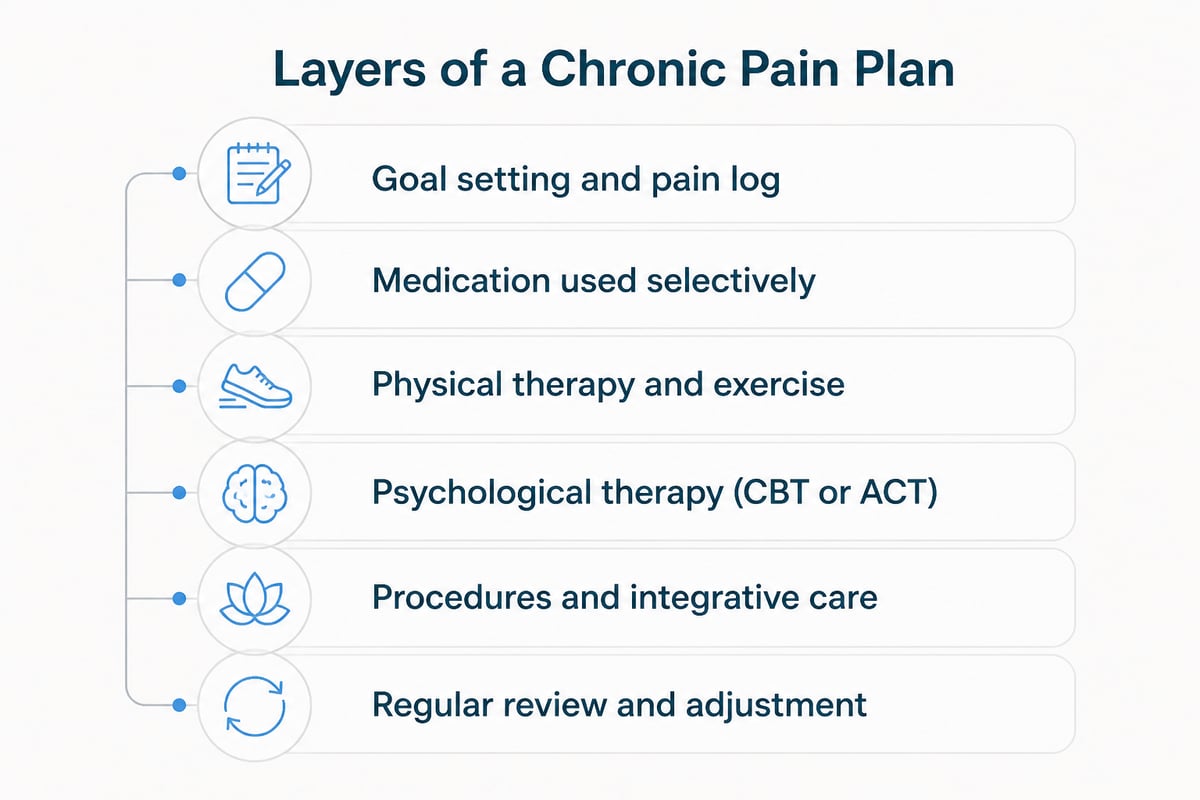
Effective pain control treatment combines several approaches rather than relying on one pill: medication used selectively, movement-based therapy, psychological skills, procedures when appropriate, and integrative options matched to the individual. For adults whose current medication no longer controls their pain, the goal is a layered plan that restores function and independence, not only a lower pain number.
This guide explains how chronic pain is defined, which treatments carry the strongest support, and how to organize them into a plan you can discuss with a physician.
How Do I Know If I Have Chronic Pain?
You likely have chronic pain if your pain has lasted three months or longer. The CDC defines chronic pain as pain lasting 3 months or more, which is longer than the normal healing window for most injuries and illnesses.
Duration is only the starting point. These signs suggest that your pain needs a structured evaluation:
- Pain continues after the original injury or surgery has healed
- Pain returns daily or most days, even if it varies in intensity
- Sleep, mood, work, or household tasks are affected
- Medication that once helped now provides less relief or wears off sooner
- You have started avoiding activities you used to enjoy because you expect pain
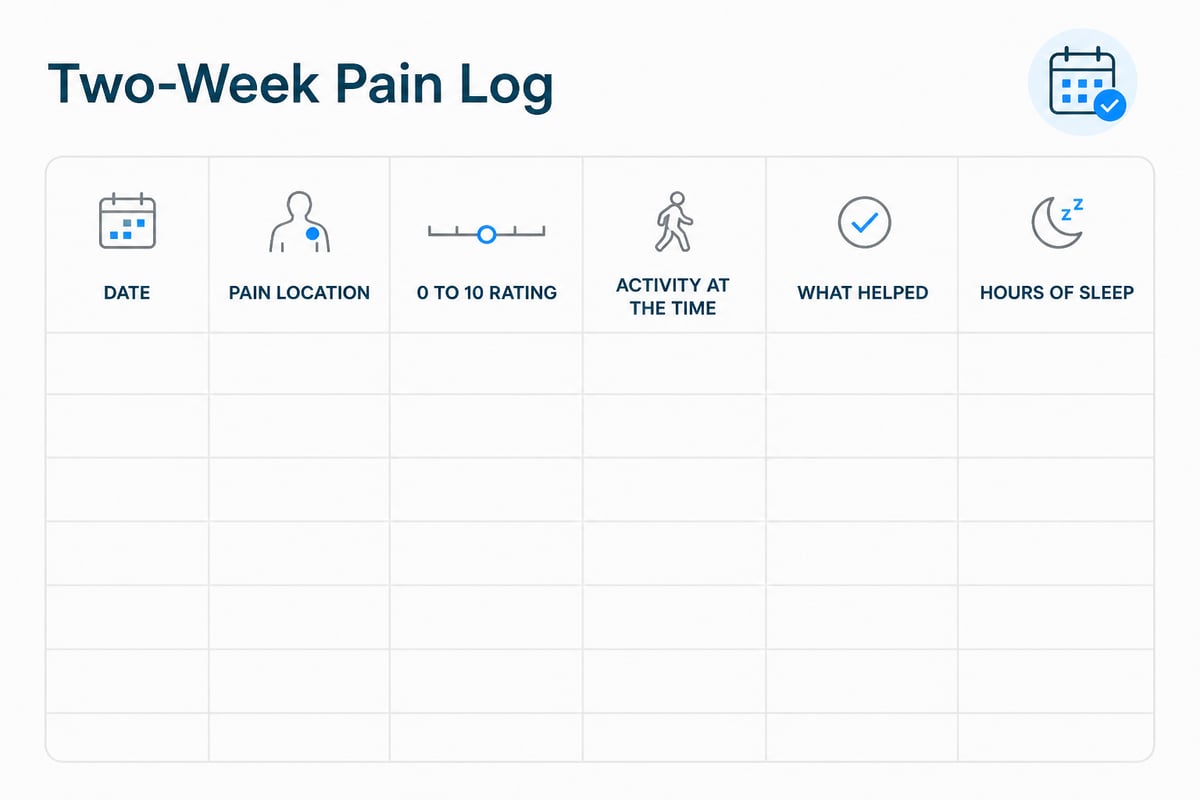
Keep a simple log for two weeks before your appointment. Record pain location, a 0 to 10 rating, what you were doing, what helped, and how well you slept. This record gives a clinician far more to work with than a general description.
Which Types of Pain Are the Most Severe?
Severity is subjective and varies from person to person, so no single ranking applies to everyone. Pain that involves nerve damage or nervous system sensitivity is often described as especially difficult to control, and a clinician can help assess which type applies to you.
Severity matters for treatment planning, but function matters just as much. A moderate pain that prevents you from sleeping or working may deserve the same attention as a higher rating that you can manage day to day.
What Is the Goal of Pain Control Treatment?
The goal of pain control treatment is better function and quality of life, with pain reduced to a level you can live with, not necessarily eliminated. Chronic pain rarely disappears completely, so realistic targets help you and your physician judge whether a plan is working.
Useful goals are specific. Walking to the mailbox, sleeping five uninterrupted hours, returning to a hobby, or cutting back on a medication you dislike are all measurable. The CDC’s recommendations and principles for pain care emphasize shared discussion between patient and clinician about goals, benefits, and risks, which keeps treatment aligned with what matters to you.
Medication Options Beyond Standard Painkillers
Medication works best as one part of a plan, and the right choice depends on the type of pain. Over-the-counter drugs and a single prescription are often not enough for chronic conditions.
Common categories include:
- NSAIDs such as ibuprofen or naproxen, helpful for inflammatory pain but limited by stomach, kidney, and cardiovascular risks with long-term use
- Gabapentin-class medications, often used for nerve-related pain
- Topiramate (Topamax), sometimes used for certain nerve and headache-related pain
- Buprenorphine, a partial opioid agonist that some physicians prescribe for chronic pain, particularly when dependence is also a concern
- Topical agents, applied directly to a painful joint or area to limit whole-body side effects
Federal guidance reflects this layered approach. For subacute and chronic pain, CDC guidance prefers nonopioid therapies, and clinicians should consider opioids only when expected benefits for pain and function outweigh risks.
Talk openly with your physician about side effects, other medications you take, and any history of substance use. That information shapes safer choices.
Physical Therapy and Exercise
Physical therapy and supervised exercise are among the best-supported nonmedication treatments for chronic pain. A therapist designs a progressive program that restores strength, flexibility, and confidence in movement.
The evidence points toward structure and supervision. NICE recommends offering supervised group exercise to people aged 16 and over with chronic primary pain, taking their needs, preferences, and abilities into account. Group formats add accountability and reduce the isolation many people with chronic pain feel.
What a good program typically includes:
- A gradual start that respects your current limits
- Strengthening for the muscles that support painful joints or the spine
- Stretching and mobility work
- Pacing strategies so you avoid the cycle of overdoing it on good days and crashing on bad ones
- A home routine you can maintain between sessions
Chiropractic care, physiatry (physical medicine and rehabilitation), and acupuncture sit alongside physical therapy in many integrative plans. Ask any provider how they will measure progress so you can tell whether an approach deserves more of your time.
What Breathing Exercises Can Help With Pain?
Slow diaphragmatic breathing and extended-exhale techniques can reduce pain by calming the nervous system's stress response, which often amplifies pain signals. They are not a cure, but they are free, safe, and portable.
Try these three methods:
- Diaphragmatic breathing: Place one hand on your abdomen. Inhale through your nose for four counts so the hand rises, then exhale slowly for six counts. Repeat for five minutes.
- Box breathing: Inhale for four counts, hold for four, exhale for four, hold for four. This pattern steadies attention during a pain flare.
- Breath paired with muscle release: On each exhale, deliberately soften one tense area, moving from your jaw to your shoulders to your lower back.
Practice daily when pain is manageable so the skill is available when pain spikes. Breathing work pairs well with the psychological therapies described next.

Psychological Therapies for Pain
Psychological therapy changes how the brain and body respond to pain, and it is a recognized medical treatment, not a sign that pain is imagined. Chronic pain and mental health influence each other: poor sleep, anxiety, and low mood intensify pain, and persistent pain worsens all three.
NICE says clinicians may consider acceptance and commitment therapy or cognitive behavioural therapy for chronic primary pain in people aged 16 and over, delivered by appropriately trained professionals. The two approaches differ in emphasis:
| Approach | Core idea | Typical skills |
|---|---|---|
| Cognitive behavioral therapy (CBT) | Thoughts and behaviors shape pain experience | Reframing pain-related thoughts, activity scheduling, sleep habits |
| Acceptance and commitment therapy (ACT) | Living a valued life alongside pain | Acceptance, values-based goals, mindfulness |
Mindfulness and relaxation training offer related benefits. Many people find that these skills help with sleep, mood, and willingness to stay active, which in turn supports every other part of the plan.
Procedures and Interventional Options
Interventional treatments target a specific source of pain and are usually considered when conservative care has not provided enough relief. They work best as a bridge that lets you participate more fully in exercise and therapy.
Options a pain physician may discuss include trigger point injections for tight, painful muscle knots, joint or nerve-related injections, and, in selected cases, surgery. Each carries benefits and risks, and results vary. Ask what relief to expect, how long it may last, and what the next step would be if it does not work.
Integrative and Complementary Care
Integrative care adds complementary therapies to conventional treatment, and the strongest plans coordinate them under one physician rather than collecting disconnected remedies. Acupuncture, dietary therapy, mind-body practices, and medical marijuana are among the options patients ask about most.
Dietary changes can also be worth discussing. Eating patterns that support a healthy weight may ease joint loading and improve energy for exercise. Mind-body practices such as gentle yoga and tai chi combine movement, breathing, and attention training in a single routine.
Some people with chronic pain find medical marijuana useful, and its use is governed by Pennsylvania's program for certified patients with qualifying conditions. It should be discussed with a physician who can review your medical history and current medications.
What Are Some Home Remedies for Leg Pain?
Gentle movement, heat, and careful positioning are common home measures for leg pain, but new or unexplained leg pain should be evaluated by a physician first. Pain that appears suddenly, comes with swelling, redness, or warmth in one leg, or follows a long period of immobility may signal a blood clot and needs prompt medical attention.
For ongoing, familiar leg pain, these measures are commonly helpful:
- Walking in short, frequent sessions rather than one long effort
- Warm compresses or a warm bath to ease stiff muscles and joints
- Gentle calf and hamstring stretches performed slowly and held without bouncing
- Elevating the legs when swelling contributes to discomfort
- Supportive, well-fitting footwear
- Topical pain relievers, used as directed
Check with your physician before combining home remedies with prescription medication, particularly if you take blood thinners or have kidney disease.
Building an Individualized Pain Control Treatment Plan
A strong plan is individualized, coordinated, and reviewed regularly. Follow these steps to build one:
- Document your pain. Bring your two-week log, a list of current and past medications, and notes on what has and has not worked.
- Set two or three functional goals. Choose tasks that matter to you, such as sleeping through the night or gardening for twenty minutes.
- Ask for a layered plan. Request that medication, movement, psychological support, and any procedures be discussed together.
- Start with changes you can sustain. Small, consistent steps outperform ambitious plans that collapse after a week.
- Schedule reviews. Return to evaluate progress against your goals and adjust what is not working.
- Speak up. If a treatment is not helping or causes side effects, say so early.
Local access matters, too. For adults in central Pennsylvania, a program that brings several of these services under one roof can reduce the coordination burden. The Chronic Pain Management Program at Pain & Recovery Medical Centre combines options such as medication, counseling, acupuncture, physical therapy, chiropractic treatment, trigger point injections, and dietary therapy, tailored to each patient. Dr. Paul Simpson, who is board certified in Internal Medicine, leads a team that provides compassionate, judgement-free care. Prescribing is done electronically, as Pennsylvania law requires. Confirm payment details directly with the center before scheduling.
FAQ
Can pain control treatment work without opioids?
Yes. Many people achieve meaningful relief through nonopioid medication, physical therapy, psychological therapy, injections, and integrative care. CDC guidance favors nonopioid approaches for subacute and chronic pain and considers opioids only when expected benefits outweigh risks.
How long does it take to see results from a new pain plan?
Timelines vary by treatment. Some measures, such as heat or a trigger point injection, may help within days, while exercise and psychological therapy often take several weeks of consistent practice. Your physician can set expectations for each part of your plan and adjust it if progress stalls.
When should I see a specialist about my pain?
See a physician if pain has lasted three months or more, interferes with sleep or daily tasks, or no longer responds to your current medication. Seek urgent care for sudden severe pain, new weakness or numbness, or pain accompanied by fever or loss of bladder or bowel control.
Start by keeping a two-week pain log and writing down the three activities you most want back, because that record makes your first appointment far more productive. Pain & Recovery Medical Centre builds individualized plans for adults whose pain is no longer controlled by medication, and you can learn about the Chronic Pain Management Program before you reach out. When you are ready to discuss your options, Call Now to speak with the team about scheduling a visit.