
Living with chronic pain affects millions of Americans, impacting every aspect of daily life from work productivity to personal relationships. Modern pain management services have evolved significantly, offering comprehensive, evidence-based approaches that go far beyond traditional medication-only treatments. Understanding the full spectrum of available services empowers patients to make informed decisions about their care and work collaboratively with healthcare providers to achieve meaningful relief and restored function.
Understanding Modern Pain Management Services
Pain management services encompass a broad range of medical interventions designed to reduce suffering, improve physical function, and enhance overall quality of life for individuals experiencing acute or chronic pain conditions. These services have transformed dramatically over the past decade, shifting from opioid-centric approaches to multidisciplinary care models that address pain from biological, psychological, and social perspectives.
The field recognizes that pain is not simply a symptom to suppress but a complex experience influenced by multiple factors. Contemporary pain management services integrate various treatment modalities, often delivered by teams of specialists working in concert. This collaborative approach acknowledges that different pain types-neuropathic, inflammatory, musculoskeletal, or mixed-respond optimally to different intervention strategies.
The Shift Toward Multimodal Care
Healthcare systems nationwide have embraced multimodal pain management as the gold standard. The American Academy of Physical Medicine & Rehabilitation emphasizes interdisciplinary approaches that prioritize nonopioid treatments, reflecting growing evidence that combining therapies produces superior outcomes compared to single-intervention strategies.
Research consistently demonstrates that multimodal approaches reduce reliance on high-risk medications while improving functional outcomes. Patients receiving coordinated care from multiple specialists report better pain control, enhanced mobility, and greater satisfaction with treatment compared to those receiving fragmented services.
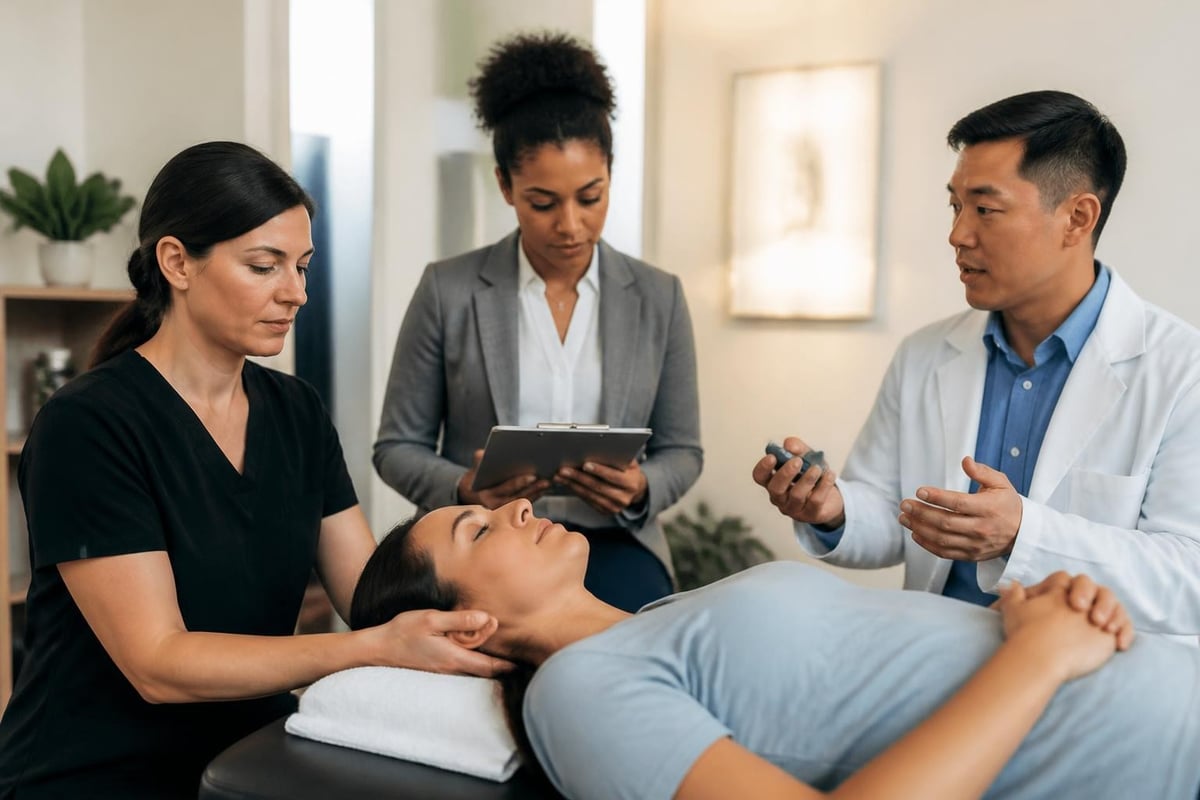
Core Components of Comprehensive Pain Management Services
Effective pain management programs incorporate multiple treatment categories, each addressing different aspects of the pain experience. Understanding these components helps patients navigate their options and advocate for comprehensive care.
Pharmacological Interventions
Medication remains an important tool within modern pain management services, though its role has become more nuanced and carefully calibrated. Healthcare providers now employ sophisticated prescribing strategies that balance efficacy with safety considerations.
Nonopioid Medications:
- Nonsteroidal anti-inflammatory drugs (NSAIDs) for inflammatory pain
- Acetaminophen for mild to moderate pain
- Gabapentinoids (gabapentin, pregabalin) for neuropathic conditions
- Topiramate and other anticonvulsants for specific pain syndromes
- Topical analgesics and patches for localized discomfort
Adjuvant Therapies:
- Antidepressants (particularly SNRIs and TCAs) for chronic pain
- Muscle relaxants for spasticity and tension
- Medical cannabis for qualifying conditions
- Corticosteroids for inflammatory conditions
The AAFP’s guidance on pain management emphasizes starting with the lowest effective doses and regularly reassessing both benefits and risks. Medication selection depends on pain type, patient-specific factors including comorbidities, and previous treatment responses.
Physical Rehabilitation Services
Physical interventions form the cornerstone of sustainable pain management services. These therapies address underlying biomechanical issues, strengthen supporting structures, and teach patients self-management techniques they can use independently.
Physical therapy approaches have evolved to include specialized techniques targeting different pain mechanisms. Manual therapy, therapeutic exercise, neuromuscular re-education, and modalities like ultrasound or electrical stimulation work synergistically to reduce pain and restore function.
Key Physical Modalities:
| Intervention | Primary Benefit | Best For |
|---|---|---|
| Therapeutic Exercise | Strength, flexibility, endurance | Musculoskeletal pain |
| Manual Therapy | Joint mobility, soft tissue release | Mechanical dysfunction |
| Aquatic Therapy | Low-impact conditioning | Weight-bearing limitations |
| Neuromuscular Re-education | Movement pattern correction | Chronic postural pain |
| Modalities (TENS, ultrasound) | Acute symptom relief | Adjunct to active treatment |
Chiropractic treatment offers another avenue for musculoskeletal pain relief through spinal manipulation and adjustments. When integrated within comprehensive programs, chiropractic care contributes to improved alignment and reduced mechanical stress on pain-sensitive structures.
Psychological and Behavioral Services
Mental health services have become integral to pain management services, recognizing the profound connections between psychological states and pain perception. Remotely delivered psychological therapies have proven effective for chronic pain, expanding access to these crucial interventions.
Cognitive behavioral therapy (CBT) helps patients identify and modify thought patterns that amplify pain experiences. Acceptance and commitment therapy (ACT) teaches mindfulness and value-based living despite ongoing discomfort. These evidence-based approaches produce lasting changes in pain-related disability and emotional distress.
Psychological Intervention Benefits:
- Reduced catastrophic thinking about pain
- Improved coping strategies and resilience
- Better sleep quality and consistency
- Decreased depression and anxiety symptoms
- Enhanced medication adherence
Counseling services within pain management programs address the emotional burden of chronic conditions, relationship impacts, and lifestyle adjustments. Regular psychological support helps patients maintain motivation during challenging treatment phases and develop sustainable self-care practices.

Specialized Pain Management Services
Beyond foundational treatments, specialized pain management services target specific conditions or employ advanced techniques for complex cases. These interventions require specialized training and equipment but offer options when first-line therapies prove insufficient.
Interventional Procedures
Interventional pain management encompasses minimally invasive procedures that directly target pain generators. These techniques can provide both diagnostic information and therapeutic relief.
Trigger point injections deliver medication directly to hyperirritable muscle nodules, providing rapid relief for myofascial pain syndromes. Administered in office settings, these injections combine local anesthetic with anti-inflammatory medications to disrupt pain cycles and restore normal muscle function.
Epidural steroid injections address radicular pain from spinal nerve irritation. Nerve blocks target specific neural pathways, while radiofrequency ablation creates longer-lasting relief by temporarily interrupting pain signal transmission. Joint injections with corticosteroids or viscosupplements reduce inflammation and improve mobility in arthritic conditions.
Complementary and Integrative Approaches
Modern pain management services increasingly incorporate evidence-based complementary therapies that enhance conventional treatments. These approaches often carry lower risk profiles while providing meaningful symptom reduction.
Acupuncture has gained acceptance within mainstream medicine for various pain conditions. This traditional Chinese medicine technique involves inserting thin needles at specific body points to modulate pain pathways and promote healing responses. Research supports acupuncture's effectiveness for migraine, osteoarthritis, and chronic back pain.
Mind-body therapies including meditation, guided imagery, and progressive muscle relaxation activate the relaxation response, counteracting stress-induced pain amplification. These self-directed techniques empower patients with portable tools usable in any setting without side effects or costs.
Occupational therapy interventions focus on adapting daily activities and environments to reduce pain triggers while maintaining independence. Occupational therapists assess how pain impacts specific tasks-from work duties to household management-and develop practical solutions including adaptive equipment, energy conservation techniques, and activity pacing strategies.
Nutritional and Dietary Support
Emerging evidence links dietary patterns to inflammatory processes underlying many pain conditions. Pain management services now frequently include nutritional counseling to optimize healing and reduce systemic inflammation.
Anti-inflammatory diets emphasizing whole foods, omega-3 fatty acids, and antioxidants may reduce pain intensity in conditions like rheumatoid arthritis and fibromyalgia. Elimination diets help identify food sensitivities that trigger migraine or gastrointestinal pain. Weight management programs reduce mechanical stress on weight-bearing joints while improving metabolic health markers.
Accessing Pain Management Services: What to Expect
Navigating pain management services begins with comprehensive evaluation. Initial assessments typically involve detailed medical history, physical examination, review of imaging studies, and discussion of treatment goals and preferences.
The Evaluation Process
Initial Consultation Components:
- Detailed pain history (location, quality, duration, aggravating factors)
- Functional assessment (limitations in daily activities)
- Psychological screening (mood, sleep, stress levels)
- Medication review (current and previous treatments)
- Goal-setting discussion (realistic expectations)
- Physical examination (focused on pain areas)
- Treatment plan development (individualized approach)
Providers may order additional diagnostic testing including lab work, imaging studies, or specialized assessments to clarify pain mechanisms and rule out underlying conditions requiring specific treatment.
Creating Your Treatment Plan
Individualized treatment plans reflect each patient's unique circumstances, including pain characteristics, functional goals, medical history, and personal preferences. The Chronic Pain Management Program exemplifies this approach, offering Pennsylvania adults access to various medications (Buprenorphine, NSAIDs, Gabapentin, Topiramate), counseling, acupuncture, physical therapy, chiropractic treatment, mind-body therapies, physiatry, trigger point injections, and dietary therapies tailored to individual needs.
Effective plans establish clear, measurable objectives. Rather than focusing solely on pain intensity reduction, goals often emphasize functional improvements: returning to work, resuming recreational activities, achieving restful sleep, or reducing medication dependence. This outcomes-based approach aligns treatment with what matters most to patients.

Long-Term Management and Self-Care Strategies
Sustainable pain management requires active patient participation and ongoing adjustment. Pain management services increasingly emphasize self-management education, equipping patients with knowledge and skills for independent symptom control.
Building Self-Management Skills
Successful long-term outcomes depend on patients becoming expert managers of their conditions. Education programs teach pain science fundamentals, helping patients understand pain mechanisms and why certain treatments work. This knowledge reduces fear and improves treatment adherence.
Essential Self-Management Components:
- Activity pacing techniques to prevent flare-ups
- Home exercise programs for maintaining gains
- Stress management and relaxation practices
- Sleep hygiene strategies for restorative rest
- Ergonomic modifications at home and work
- Symptom tracking to identify patterns
Regular reassessment allows providers to evaluate treatment effectiveness and adjust strategies as needed. Pain is dynamic, and optimal management requires flexibility to respond to changing symptoms, life circumstances, and treatment responses.
Coordinating Care Across Providers
Complex pain conditions often require services from multiple specialists. Effective coordination ensures all providers work toward shared goals using compatible approaches. Patients benefit when their primary care physician, pain specialist, physical therapist, psychologist, and other team members communicate regularly and access shared treatment records.
Technology facilitates this coordination through electronic health records, patient portals, and telehealth platforms. Virtual visits expand access to specialized pain management services, particularly valuable for patients with mobility limitations or those in underserved areas.
Evidence-Based Outcomes and Quality Indicators
High-quality pain management services demonstrate commitment to evidence-based practice and outcome measurement. Patients should expect providers to utilize treatments supported by research and regularly assess whether interventions produce meaningful improvements.
| Quality Indicator | What It Measures | Why It Matters |
|---|---|---|
| Functional improvement | Activity tolerance, role participation | Real-world impact beyond pain scores |
| Medication safety | Appropriate prescribing, monitoring | Risk reduction, addiction prevention |
| Patient satisfaction | Care experience, communication quality | Patient-centered service delivery |
| Reduced healthcare utilization | Emergency visits, hospitalizations | Effective symptom management |
| Standardized outcome tools | Valid, reliable measurement instruments | Objective progress tracking |
Global guidance on pain management emphasizes essential principles applicable across settings: systematic assessment, individualized treatment planning, regular monitoring, and access to effective therapies. Quality programs implement these standards regardless of specific treatment modalities employed.
Emerging Trends in Pain Management Services
The field continues evolving rapidly, with new technologies and approaches expanding treatment possibilities. Staying informed about innovations helps patients access cutting-edge options when appropriate.
Regenerative medicine techniques including platelet-rich plasma and stem cell therapies show promise for certain musculoskeletal conditions, though evidence remains preliminary for many applications. Virtual reality interventions provide immersive distraction and exposure therapies for chronic pain. Wearable devices track activity, sleep, and physiological markers, providing objective data to guide treatment adjustments.
Precision medicine approaches use genetic testing, biomarkers, and advanced imaging to match patients with treatments most likely to benefit them specifically. This personalized strategy may reduce the trial-and-error period typical of pain management while minimizing exposure to ineffective interventions.
Overcoming Barriers to Care
Despite advances in pain management services, significant barriers prevent many patients from accessing optimal care. Understanding and addressing these obstacles improves treatment outcomes and health equity.
Common Access Barriers:
- Insurance coverage limitations and authorization requirements
- Geographic distance to specialized providers
- Cost of treatments and copayments
- Stigma surrounding chronic pain and treatment
- Limited provider knowledge about comprehensive approaches
- Long wait times for appointments
- Language and cultural barriers
Advocacy efforts continue working to expand insurance coverage for evidence-based nonpharmacologic treatments, increase the pain management workforce, and reduce disparities in care access. Patients benefit from researching their insurance benefits, asking providers about payment plans, and exploring community resources that may subsidize services.
Comprehensive pain management services offer hope and practical solutions for individuals struggling with acute or chronic pain conditions. By combining multiple evidence-based approaches-from medications and physical therapies to psychological support and lifestyle modifications-modern programs address pain's complexity and help patients reclaim their lives. If you're seeking coordinated, compassionate care that treats you as a whole person rather than just symptoms, Pain & Recovery Medical Centre provides specialized programs designed to improve quality of life and promote independence through individualized treatment plans tailored to your specific needs.