

Managing chronic pain requires a comprehensive understanding of available treatment options, including the appropriate use of pain medications. For millions of Americans living with persistent pain, selecting the right pain meds for pain relief can significantly impact quality of life, functional capacity, and long-term health outcomes. This guide explores evidence-based approaches to medication management, safety considerations, and how different drug classes fit into a broader treatment strategy.
Classification of Pain Medications by Mechanism
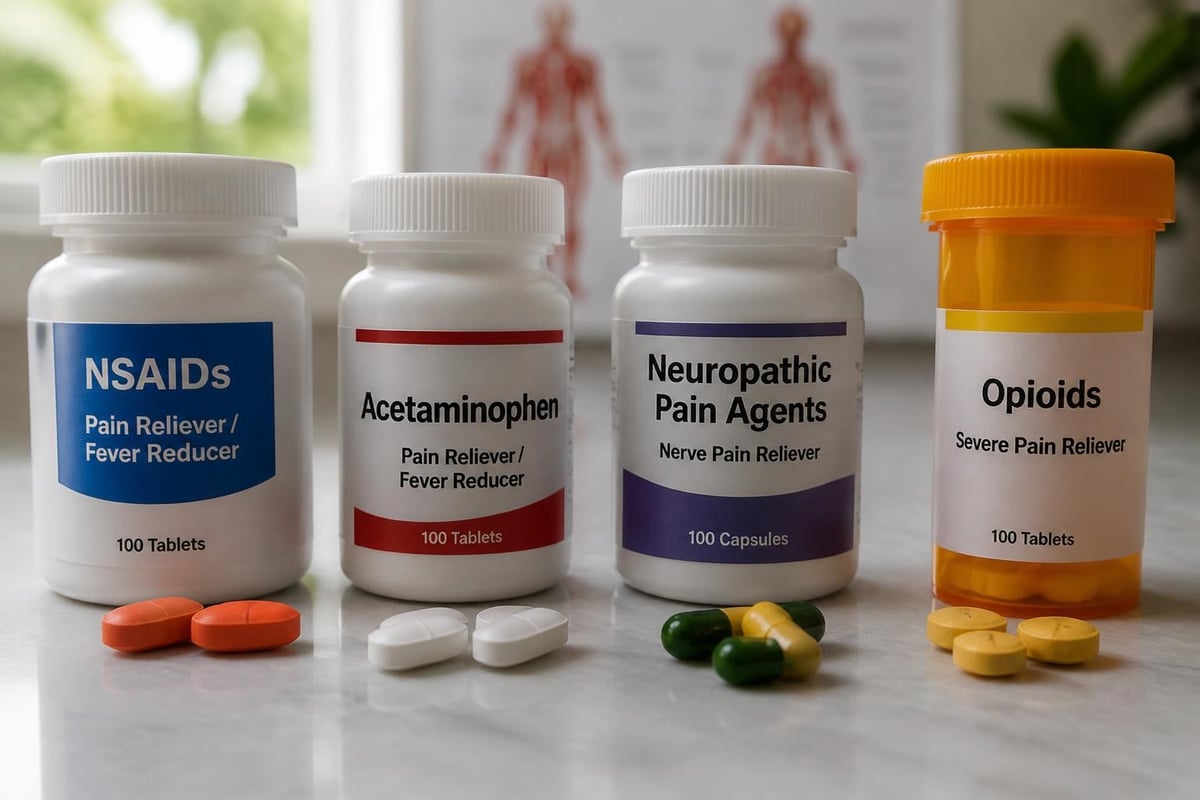
Understanding how different medications work helps patients and providers make informed decisions. Pain meds for pain fall into several distinct categories, each targeting different pathways in the nervous system.
Non-Opioid Analgesics
Acetaminophen remains one of the most widely used over-the-counter options for mild to moderate pain. While effective, proper dosing is critical to avoid liver toxicity. Adults should not exceed 3,000 mg daily, and those with existing liver conditions require even lower doses. The management of acetaminophen toxicity involves specific antidote protocols when overdose occurs.
Nonsteroidal anti-inflammatory drugs (NSAIDs) work by blocking cyclooxygenase enzymes that produce inflammatory mediators. Common options include:
- Ibuprofen (Advil, Motrin)
- Naproxen (Aleve)
- Celecoxib (Celebrex)
- Diclofenac (Voltaren)
- Meloxicam (Mobic)
These medications excel at treating inflammatory conditions like arthritis but carry risks of gastrointestinal bleeding, cardiovascular events, and kidney damage with prolonged use.
Neuropathic Pain Medications
Nerve pain requires specialized treatment approaches. Gabapentinoids (gabapentin and pregabalin) have become first-line options for conditions like diabetic neuropathy and post-herpetic neuralgia. Research on pregabalin for chronic neuropathic pain demonstrates moderate efficacy, though benefits must be weighed against side effects including dizziness, sedation, and potential for misuse.
Antidepressants also play important roles in neuropathic pain management:
- Duloxetine (Cymbalta) – FDA-approved for diabetic neuropathy and fibromyalgia
- Amitriptyline – effective but limited by anticholinergic side effects
- Venlafaxine (Effexor) – alternative SNRI option
- Nortriptyline – better tolerated than amitriptyline in older adults
These medications work by increasing neurotransmitter levels in pain-modulating pathways, often providing relief at doses lower than those used for depression.
Opioid Medications and Current Guidelines
Opioid pain meds for pain management have undergone significant scrutiny in recent years due to concerns about addiction, overdose, and long-term efficacy. The CDC 2022 Clinical Practice Guideline emphasizes individualized care and shared decision-making rather than rigid prescribing limits.
When Opioids May Be Appropriate
Short-term use for acute pain following surgery or injury remains an accepted indication. Duration should typically be limited to 3-7 days for most conditions, with the lowest effective dose prescribed.
Chronic pain management with opioids requires careful consideration. Evidence for long-term efficacy remains limited, and risks accumulate over time. Patients who benefit from sustained opioid therapy typically:
- Have tried multiple non-opioid alternatives without adequate relief
- Demonstrate functional improvement with treatment
- Participate in regular monitoring and follow-up
- Engage in multimodal pain management strategies
- Show no signs of problematic use or diversion
| Opioid Strength | Morphine Equivalent | Common Uses | Risk Profile |
|---|---|---|---|
| Tramadol | Low (0.1x) | Mild-moderate pain | Lower respiratory depression risk |
| Codeine | Low (0.15x) | Mild pain, cough | Variable metabolism |
| Hydrocodone | Moderate (1x) | Moderate pain | High abuse potential |
| Oxycodone | Moderate (1.5x) | Moderate-severe pain | High abuse potential |
| Morphine | Standard (1x) | Severe pain | Standard reference |
| Fentanyl | Very high (75-100x) | Severe chronic pain | Extreme potency, overdose risk |
Alternative Opioid Formulations
Buprenorphine represents an important option in pain management. As a partial opioid agonist, it provides analgesia with a ceiling effect on respiratory depression, making it safer than full agonists. Many comprehensive chronic pain management programs incorporate buprenorphine for patients with complex needs, particularly those with concurrent substance use concerns.
Multimodal Approaches to Pain Management

Evidence increasingly supports combining multiple treatment modalities rather than relying solely on pain meds for pain control. This approach addresses different pain mechanisms simultaneously while minimizing medication doses and side effects.
Topical and Regional Treatments
Topical NSAIDs like diclofenac gel deliver medication directly to painful joints with minimal systemic absorption. Particularly useful for:
- Knee osteoarthritis
- Hand arthritis
- Localized musculoskeletal pain
- Patients at high risk for systemic NSAID complications
Lidocaine patches provide localized anesthesia for neuropathic pain conditions. The 5% patch is FDA-approved for post-herpetic neuralgia but often used off-label for other localized pain syndromes.
Capsaicin cream depletes substance P from nerve endings, providing relief for arthritis and neuropathy after an initial period of increased burning.
Complementary Therapies
Recent guidelines, including the WHO recommendations for chronic low back pain, emphasize non-pharmacologic interventions as first-line treatments:
- Physical therapy improves strength, flexibility, and functional capacity
- Cognitive behavioral therapy addresses pain catastrophizing and improves coping
- Acupuncture shows moderate evidence for certain chronic pain conditions
- Exercise programs reduce pain intensity and improve overall health
- Mind-body techniques including meditation and biofeedback
Integrating these approaches with appropriate medications often yields better outcomes than medication alone. Understanding how different pain management services work together helps patients develop comprehensive treatment plans.
Safety Considerations and Monitoring
Responsible use of pain meds for pain requires ongoing attention to safety parameters and potential complications.
Drug Interactions
Pain medications interact with numerous other drugs:
NSAIDs reduce the effectiveness of:
- Blood pressure medications (ACE inhibitors, diuretics)
- Anticoagulants (increased bleeding risk)
- Lithium (increased toxicity)
Opioids interact dangerously with:
- Benzodiazepines (respiratory depression)
- Alcohol (sedation, overdose risk)
- Certain antidepressants (serotonin syndrome with tramadol)
- Muscle relaxants (excessive sedation)
Gabapentinoids potentiate effects of:
- CNS depressants
- Alcohol
- Opioids (requires dose adjustment)
Monitoring Parameters
| Medication Class | Key Monitoring Points | Frequency |
|---|---|---|
| NSAIDs | Kidney function, blood pressure, GI symptoms | Every 3-6 months for chronic use |
| Acetaminophen | Liver function tests (if high-dose or risk factors) | Annually or as indicated |
| Opioids | Pain levels, function, aberrant behaviors, constipation | Monthly initially, then quarterly |
| Gabapentinoids | Sedation, dizziness, kidney function | Initial titration, then as needed |
| Antidepressants | Mood, suicidal ideation, blood pressure | Monthly initially, then quarterly |
Special Populations
Older adults require particular caution with pain medications. Age-related changes in metabolism, kidney function, and medication sensitivity increase risks. Starting doses should be reduced, titration should be gradual, and monitoring intensified. The Beers Criteria identifies medications to avoid in older adults, including most NSAIDs and certain opioids.
Pregnant individuals face limited safe options. Acetaminophen is generally considered safe throughout pregnancy, while NSAIDs should be avoided in the third trimester due to cardiovascular risks to the fetus. Opioid use during pregnancy requires specialist consultation due to neonatal abstinence syndrome risks.
Patients with kidney disease require dose adjustments for medications cleared renally, including NSAIDs (which should generally be avoided), gabapentinoids, and many opioids.
Emerging Options and Alternative Therapies

The landscape of pain management continues evolving with new research and therapeutic options.
Medical Marijuana
Cannabis-based therapies have gained acceptance for chronic pain management. Different cannabinoid ratios serve different purposes:
- High THC formulations provide more potent analgesia but include psychoactive effects
- CBD-dominant products offer anti-inflammatory benefits with minimal intoxication
- Balanced THC:CBD ratios may provide optimal pain relief for some patients
Medical marijuana services provide patients access to certified treatment programs where cannabis is legal.
State regulations vary considerably. Pennsylvania’s medical marijuana program, for example, requires physician certification and registration through the state system.
Newer Medication Formulations
Abuse-deterrent opioid formulations use various technologies to prevent crushing, dissolving, or injecting:
- Physical barriers that resist crushing
- Sequestered antagonists released when tampered with
- Formulations that gel when dissolved
While these reduce certain forms of misuse, they don’t eliminate all abuse potential or prevent oral overuse.
Extended-release formulations provide steady medication levels, potentially improving pain control and reducing dosing frequency. Options include ER morphine, oxycodone, hydrocodone, and transdermal fentanyl patches.
Building Your Personalized Pain Management Plan
Effective use of pain meds for pain requires collaboration between patients and healthcare providers to develop individualized strategies.
Assessment and Goal Setting
Successful pain management begins with:
- Comprehensive pain evaluation – location, quality, intensity, timing, aggravating/relieving factors
- Functional assessment – impact on daily activities, sleep, mood, relationships
- Medical history review – conditions, prior treatments, allergies, substance use
- Realistic goal establishment – improved function often matters more than complete pain elimination
- Shared decision-making – understanding risks, benefits, and alternatives
Treatment Hierarchy
A stepped approach typically works best:
Step 1: Conservative measures
- Non-pharmacologic therapies
- Topical medications
- Over-the-counter analgesics
- Lifestyle modifications
Step 2: Prescription non-opioid medications
- Prescription NSAIDs
- Neuropathic pain medications
- Topiramate or other adjuvants
- Antidepressants for pain modulation
Step 3: Combination therapy
- Multiple medication classes targeting different mechanisms
- Interventional procedures (injections, nerve blocks)
- Intensive physical rehabilitation
- Psychological pain management
Step 4: Opioid consideration
- Only when benefits clearly outweigh risks
- Lowest effective dose with regular reassessment
- Strict monitoring protocols
- Multimodal approach continues
Many patients successfully manage chronic pain without progressing to step 4, finding adequate relief through combinations of non-opioid medications and complementary therapies.
Medication Trials and Optimization
Finding effective pain meds for pain often requires systematic trials:
- Allow adequate time at therapeutic doses (typically 2-4 weeks for most medications)
- Track pain levels, side effects, and functional improvements
- Adjust doses based on response and tolerability
- Discontinue medications that don’t provide meaningful benefit
- Revisit failed medications only if circumstances change significantly
Documentation helps identify patterns. Pain diaries recording intensity, medication timing, activities, and sleep quality provide valuable data for treatment optimization.
Long-Term Medication Management
Chronic pain often requires sustained treatment, making long-term medication safety paramount.
Preventing Tolerance and Dependence
Physical dependence develops naturally with regular opioid use and differs from addiction. Tapering gradually prevents withdrawal symptoms when discontinuing. Tolerance to analgesic effects may develop, requiring dose increases over time.
Strategies to minimize tolerance include:
- Using the lowest effective dose
- Incorporating medication-free periods when possible
- Rotating between different opioids (controversial approach)
- Maximizing non-opioid treatments to reduce opioid requirements
When to Reassess Treatment
Scheduled reassessment ensures continued appropriateness of pain meds for pain:
- Lack of meaningful improvement after adequate trials
- Functional decline despite medication use
- Unacceptable side effects outweighing benefits
- Development of contraindications
- Achievement of treatment goals allowing dose reduction
- Emergence of aberrant medication behaviors
Honest communication between patients and providers enables necessary adjustments. Patients should feel comfortable reporting concerns about effectiveness, side effects, or difficulties with medication regimens.
Tapering and Discontinuation
Stopping pain medications, particularly opioids, requires careful planning:
- Determine tapering pace – typically 5-20% dose reduction weekly or monthly
- Monitor for withdrawal – anxiety, insomnia, pain increases, flu-like symptoms
- Provide support – counseling, symptom management, reassurance
- Consider adjunctive treatments – clonidine for autonomic symptoms, comfort medications
- Reassess pain management needs – optimize non-opioid approaches during taper
Slower tapers generally succeed more often than rapid discontinuation. Some patients require extended tapering periods spanning months.
Selecting and using pain meds for pain effectively requires understanding medication options, safety considerations, and integration with non-pharmacologic therapies. When you’re ready to explore comprehensive, individualized approaches to chronic pain treatment, Pain & Recovery Medical Centre offers evidence-based programs combining medications, counseling, and complementary therapies tailored to your specific needs. Our team works with you to develop sustainable strategies that improve function, enhance quality of life, and promote long-term recovery from chronic pain conditions.