

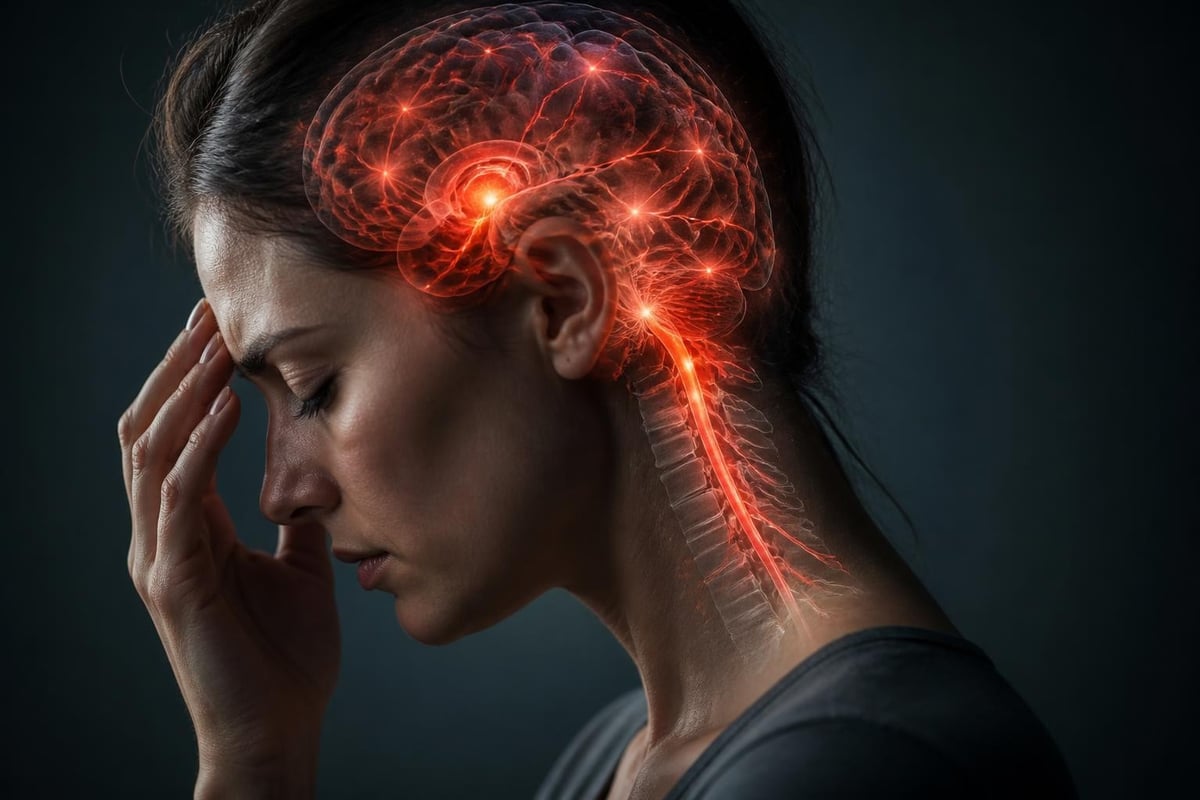
Chronic pain affects millions of Americans, but what many patients don't realize is that their brain may be the source of their suffering, even when the original injury has healed. Modern neuroscience has revealed that pain is not simply a signal from damaged tissues but a complex experience created by the nervous system. When pain persists beyond normal healing time, the brain and spinal cord can undergo maladaptive changes that perpetuate discomfort long after physical tissues have recovered. This understanding has led to revolutionary approaches that target the nervous system's remarkable ability to change itself, offering new hope for those who haven't found relief through conventional treatments.
Understanding Neuroplasticity and Chronic Pain
The brain's ability to reorganize itself by forming new neural connections is called neuroplasticity. While this adaptability allows us to learn new skills and recover from injuries, it can also work against us. Chronic pain represents a form of maladaptive neuroplasticity, where the nervous system becomes hypersensitized and maintains pain signals even without ongoing tissue damage.
Research has documented extensive structural and functional neuroplastic changes in chronic pain that affect multiple brain regions. These alterations include:
- Increased sensitivity of pain-processing neurons
- Expanded cortical representation of painful body areas
- Strengthened connections in pain-related brain networks
- Reduced gray matter in regions that normally inhibit pain
- Heightened emotional and cognitive responses to pain signals
The good news is that neuroplasticity works in both directions. Just as the brain can learn pain, it can also unlearn it through targeted interventions.
The Science Behind Pain Rewiring
Neuroplastic pain treatment operates on the principle that if the brain has learned to produce pain, it can learn to reduce or eliminate it. This approach recognizes that many chronic pain conditions involve central sensitization, where the central nervous system amplifies pain signals and lowers pain thresholds.
Central nervous system mechanisms underlying chronic pain involve complex reorganization at multiple levels. The spinal cord develops increased excitability, while the brain's pain matrix becomes overactive. Meanwhile, descending pathways that normally suppress pain become less effective.
Understanding these mechanisms helps explain why traditional pain treatments focusing solely on the peripheral source may fail. When the nervous system itself has changed, addressing those central changes becomes essential.
Evidence-Based Neuroplastic Pain Treatment Approaches
Neuroplastic pain treatment encompasses various modalities that leverage the brain's capacity for change. These approaches share a common goal: inducing adaptive neuroplasticity that reverses the maladaptive changes maintaining chronic pain.
Pain Reprocessing Therapy
Pain reprocessing therapy (PRT) teaches patients to reinterpret pain signals as non-threatening sensations produced by a hypersensitive nervous system rather than indicators of tissue damage. This cognitive shift, combined with exposure techniques, helps break the fear-pain cycle that reinforces neural pain pathways.
Key components include:
- Education about pain neuroscience and neuroplasticity
- Cognitive reappraisal of pain sensations
- Graduated exposure to previously avoided movements
- Somatic tracking to observe pain without fear
- Addressing emotional contributors to pain processing
Studies show that PRT can produce significant reductions in pain intensity and improve function by directly targeting the brain's learned pain responses.
Graded Motor Imagery and Mirror Therapy
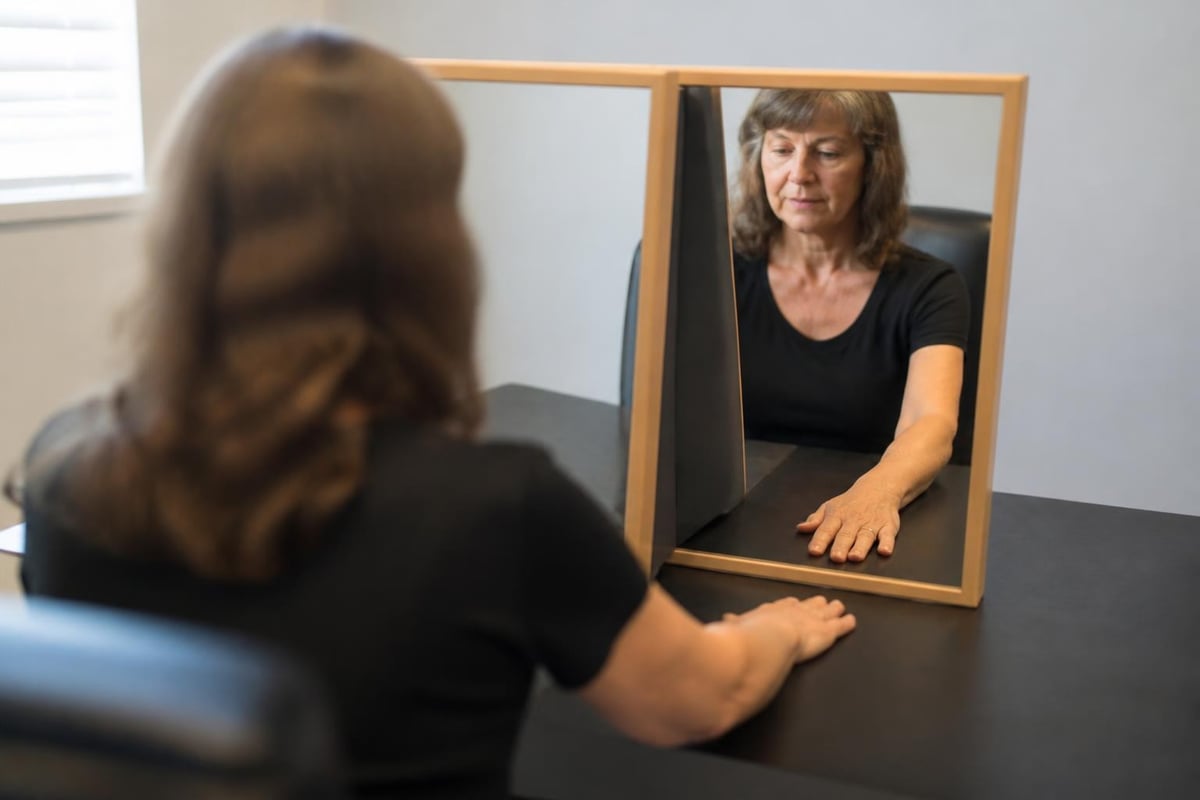
For conditions involving limb pain, especially phantom limb pain or complex regional pain syndrome, graded motor imagery exploits the brain's motor and sensory maps. The protocol progresses through left/right discrimination tasks, explicit motor imagery, and mirror therapy.
Recent evidence for mirror-based interventions demonstrates how visual feedback can modify cortical reorganization. By watching a reflection of the unaffected limb moving, the brain receives sensory input that conflicts with pain signals, gradually normalizing distorted body maps.
| Treatment Phase | Technique | Mechanism |
|---|---|---|
| Phase 1 | Laterality recognition | Activates motor cortex without movement |
| Phase 2 | Motor imagery | Strengthens motor representation |
| Phase 3 | Mirror therapy | Provides corrective visual-motor feedback |
This sequential approach safely progresses from mental tasks to physical movement, rebuilding healthy neural pathways while avoiding pain flares.
Neuromodulation Techniques
Non-invasive brain stimulation directly influences neural activity to promote adaptive plasticity. Neuromodulation approaches for chronic pain include repetitive transcranial magnetic stimulation (rTMS) and transcranial direct current stimulation (tDCS).
These techniques target specific brain regions involved in pain processing:
- Motor cortex stimulation modulates pain perception networks
- Dorsolateral prefrontal cortex targeting enhances cognitive pain control
- Multiple session protocols induce lasting neuroplastic changes
- Combination with behavioral therapy amplifies benefits
Research indicates that neuromodulation can normalize aberrant brain activity patterns and restore balanced pain processing when integrated into comprehensive treatment programs.
Mind-Body Interventions for Neural Rewiring
Mind-body therapies represent powerful tools for neuroplastic pain treatment because they directly engage the brain-body connection. These approaches harness attention, awareness, and mental processes to reshape pain-related neural circuits.
Mindfulness-Based Pain Management
Mindfulness meditation teaches patients to observe pain sensations without judgment or reactivity. This practice weakens the emotional and cognitive amplification of pain while strengthening regulatory brain networks. Regular mindfulness practice has been shown to increase gray matter in regions associated with pain modulation and decrease activity in areas that amplify suffering.
The practice involves several key skills:
- Non-reactive awareness of present-moment sensations
- Acceptance of experiences without attempting to change them
- Decoupling pain sensation from emotional suffering
- Strengthening attention control and emotional regulation
- Recognizing thoughts about pain as mental events, not facts
Over time, mindfulness literally rewires how the brain processes pain, reducing both intensity and emotional distress.
Movement-Based Therapies
Physical movement and exercise promote neuroplastic changes throughout the nervous system. Gentle, progressive movement programs help reverse the protective guarding and kinesiophobia (fear of movement) that often maintain chronic pain.
Therapeutic movement approaches suitable for neuroplastic pain treatment include tai chi, yoga, and graded exercise therapy. These modalities combine physical activity with attention training and breath awareness, addressing both peripheral conditioning and central pain processing.
When integrated into comprehensive pain management services, movement therapies provide multiple benefits beyond simple exercise, engaging neuroplastic mechanisms that reduce pain sensitivity and improve function.
Virtual Reality and Immersive Technologies
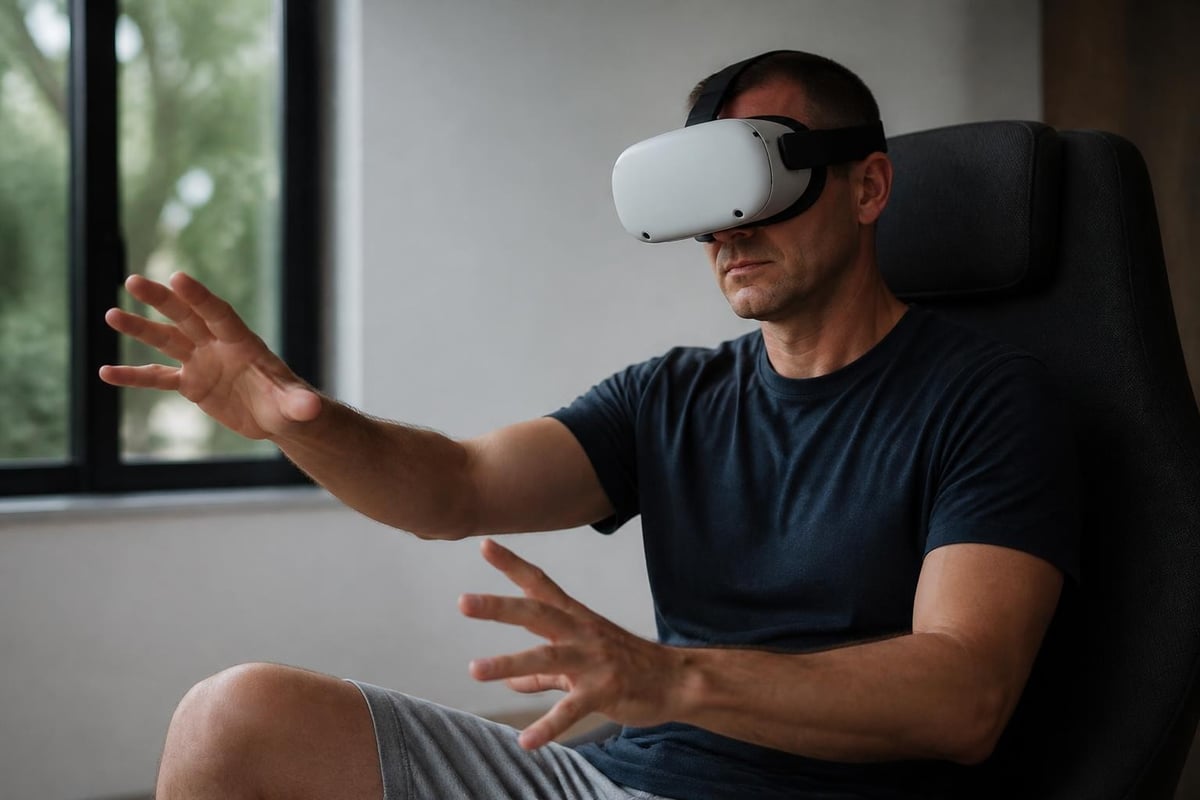
Emerging technologies offer innovative approaches to neuroplastic pain treatment by creating immersive experiences that engage the brain's attention and sensory processing systems. Virtual reality (VR) has gained particular attention as a tool for inducing adaptive neuroplasticity.
How Virtual Reality Modulates Pain
VR interventions work through several mechanisms:
- Attention capture diverts neural resources away from pain processing
- Immersive distraction reduces pain-related brain activity
- Motor and sensory enrichment promotes healthy neural reorganization
- Safe movement exploration in virtual environments reduces kinesiophobia
- Gamification increases engagement and motivation
Systematic evidence on VR for chronic musculoskeletal pain suggests that carefully designed programs can produce meaningful improvements in pain and function. The VA/VHA evidence review on extended-reality interventions provides additional support for these approaches while noting the need for further research on optimal protocols.
Virtual environments can be tailored to specific pain conditions, providing graded exposure to feared movements or creating relaxing settings that activate parasympathetic nervous system responses. The technology's ability to provide precise, repeatable stimuli makes it particularly valuable for research and standardized treatment protocols.
Augmented Reality Applications
While VR creates fully immersive environments, augmented reality (AR) overlays digital information onto the real world. AR applications for pain management might include visual feedback during physical therapy exercises or real-time biofeedback displays that help patients recognize and modify physiological responses.
These technologies represent the cutting edge of neuroplastic pain treatment, though they complement rather than replace established approaches. Most effective programs combine technological tools with education, psychological support, and traditional therapies.
Integrating Neuroplastic Approaches into Comprehensive Care
Neuroplastic pain treatment works best within a multidisciplinary framework that addresses biological, psychological, and social factors contributing to pain. No single intervention suits every patient, and individualized treatment planning remains essential.
Assessment and Patient Selection
Identifying patients who will benefit from neuroplastic pain treatment requires thorough evaluation. Ideal candidates typically have:
- Pain persisting beyond expected tissue healing time
- Pain disproportionate to identifiable structural pathology
- Evidence of central sensitization or nociplastic pain features
- High pain-related fear or catastrophizing
- History of limited response to peripheral-focused treatments
- Motivation to engage actively in treatment
Comprehensive assessment examines pain history, psychological factors, movement patterns, and beliefs about pain. Managing chronic pain effectively requires understanding each patient's unique presentation and tailoring interventions accordingly.
Building an Effective Treatment Plan
A comprehensive neuroplastic pain treatment program typically includes multiple components delivered in coordinated fashion:
| Treatment Component | Purpose | Delivery Format |
|---|---|---|
| Pain neuroscience education | Reconceptualize pain | Individual or group sessions |
| Cognitive-behavioral therapy | Address unhelpful thoughts/behaviors | Weekly therapy sessions |
| Graded exposure therapy | Reduce fear-avoidance | Progressive, supervised practice |
| Mind-body practices | Enhance self-regulation | Daily home practice |
| Physical rehabilitation | Restore function | Supervised and independent exercise |
| Medication management | Support other interventions | Ongoing medical oversight |
The Chronic Pain Management Program exemplifies this integrated approach, combining various treatment modalities including counseling, mind-body therapies, and medication when appropriate. Treatment centers on evidence-based interventions tailored to individual needs, recognizing that chronic pain requires comprehensive rather than single-modality approaches.
Medication Support in Neuroplastic Treatment
While neuroplastic pain treatment emphasizes non-pharmacological approaches, medications may support the rewiring process. Certain medications can reduce nervous system hyperexcitability, making it easier for patients to engage in behavioral therapies and movement programs.
Medications that may complement neuroplastic approaches include those that modulate nerve activity, reduce inflammation, or address comorbid conditions like depression or sleep disturbance. The goal is using medications strategically to facilitate active participation in therapies that promote adaptive neuroplasticity rather than relying on drugs alone.
Measuring Treatment Success and Brain Changes
One of the most encouraging aspects of neuroplastic pain treatment is that improvements can be objectively measured. Beyond subjective pain ratings, researchers can now document actual changes in brain structure and function.
Neuroimaging Evidence of Recovery
Advanced brain imaging techniques reveal that successful treatment produces measurable neuroplastic changes. Recent neuroimaging evidence demonstrates that structural brain alterations associated with chronic pain can reverse with effective treatment.
Observable changes include:
- Normalization of gray matter volume in pain-processing regions
- Reduced hyperconnectivity in pain networks
- Restored function in descending pain inhibition pathways
- Decreased activation in emotional pain centers
- Improved connectivity in cognitive control networks
These findings validate that neuroplastic pain treatment targets real neurobiological changes rather than simply teaching patients to "cope" with unchanged pain. The brain can genuinely rewire itself to reduce pain generation.
Functional Outcome Measures
Beyond imaging, treatment success is evaluated through standardized functional assessments. Patients track multiple dimensions of improvement:
- Pain intensity and frequency
- Physical function and activity levels
- Sleep quality and duration
- Emotional well-being and mood
- Work or role participation
- Medication requirements
- Quality of life indicators
The most meaningful measure is often return to valued activities that pain had prevented. When patients report hiking, gardening, playing with grandchildren, or working without severe pain limitations, it demonstrates that neuroplastic treatment has succeeded in changing their lived experience.
Common Challenges and Solutions
Implementing neuroplastic pain treatment presents certain challenges that patients and providers should anticipate. Understanding potential obstacles helps in developing strategies to overcome them.
Addressing Patient Skepticism
Many patients initially struggle with the concept that their pain is "in their brain." This phrasing can sound dismissive, as though the pain isn't real or is purely psychological. Pain is always real, whether generated by tissue damage or maladaptive neural patterns.
Effective education emphasizes:
- Pain is a protective output of the brain, not simply an input from tissues
- Brain-generated pain feels identical to injury-related pain
- Neuroplastic changes are biological, not psychological weakness
- Understanding pain neuroscience empowers rather than blames patients
When patients understand the science, they often embrace neuroplastic pain treatment enthusiastically, recognizing it offers hope where previous approaches have failed.
Managing Temporary Increases in Pain
Engaging in previously avoided activities or changing long-held pain beliefs can temporarily increase discomfort. This represents a normal part of the rewiring process, not treatment failure or further injury.
Strategies to manage flare-ups include:
- Pacing activities to avoid overwhelming the nervous system
- Reframing temporary increases as signs of nervous system recalibration
- Returning to baseline strategies like mindfulness or relaxation
- Maintaining perspective on long-term progress despite short-term fluctuations
- Communicating with treatment providers about concerning symptoms
Patients benefit from anticipating challenges and having concrete plans to address them, maintaining treatment adherence through difficult periods.
Building Long-Term Success
Neuroplastic pain treatment is not a quick fix but a process of gradually rewiring deeply ingrained neural patterns. Long-term success requires sustained practice of new skills and maintenance of gains achieved during active treatment.
Developing Self-Management Skills
The ultimate goal is empowering patients to manage their own recovery. This means developing proficiency in:
- Recognizing early warning signs of pain flares
- Implementing calming and pain-modulation techniques independently
- Gradually expanding activity boundaries
- Maintaining regular mind-body practice
- Problem-solving obstacles to continued progress
Patients transition from intensive treatment to increasingly independent self-management, with periodic check-ins to reinforce learning and address emerging challenges. This approach promotes lasting change and prevents relapse.
Lifestyle Factors Supporting Neuroplasticity
Certain lifestyle factors either support or hinder the brain's ability to undergo adaptive neuroplastic changes. Optimizing these factors enhances treatment outcomes:
Sleep quality profoundly affects neuroplasticity and pain processing. Poor sleep impairs the brain's ability to consolidate new learning and increases pain sensitivity. Prioritizing sleep hygiene supports treatment effectiveness.
Stress management matters because chronic stress promotes inflammatory processes and maintains nervous system hyperactivity. Incorporating stress-reduction practices complements specific pain treatments.
Nutrition and exercise provide the biological foundation for brain health and neural regeneration. Anti-inflammatory diets and regular movement support the physical substrate of neuroplastic change.
Social connection activates brain systems that naturally modulate pain and promote wellbeing. Reducing isolation and building supportive relationships enhances treatment outcomes.
These factors create an environment conducive to neuroplastic pain treatment success, supporting the specific interventions patients undertake in formal treatment programs.
Neuroplastic pain treatment represents a paradigm shift in understanding and addressing chronic pain, recognizing that the brain's remarkable capacity for change can be harnessed to reverse maladaptive neural patterns. By combining education, psychological approaches, movement therapies, and emerging technologies, patients can retrain their nervous systems and reclaim their lives from persistent pain. Pain & Recovery Medical Centre provides comprehensive, individualized programs that integrate these evidence-based approaches with medical support, helping Pennsylvania adults overcome chronic pain and achieve lasting improvements in function and quality of life.