
Medical drugs for pain fall into several classes, including acetaminophen, NSAIDs, nerve pain medicines, muscle relaxants, topical agents and opioids, and the right choice depends on the type of pain, how long it has lasted and your other health conditions. No single drug fits every pain problem, and a medicine that works for a sprained ankle may do little for nerve damage. For adults in central Pennsylvania whose pain has outlasted what their current medication can control, understanding each class is the first step toward a safer, better-matched plan.
MedlinePlus defines chronic pain as pain lasting longer than three months or beyond the expected healing time. It can occur anywhere in the body and may come with fatigue, mood changes or trouble sleeping. Because chronic pain affects so much more than a single body part, treatment often combines medication with other approaches.
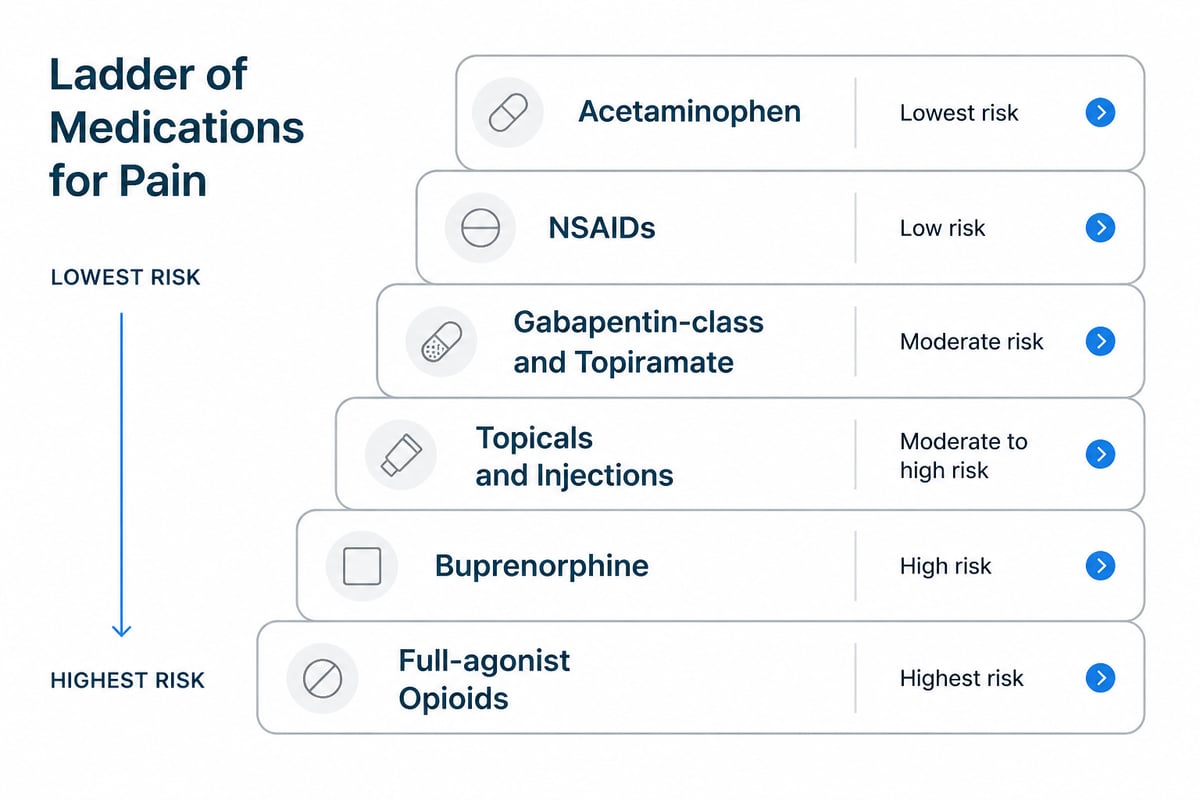
The seven options below are ordered roughly from lowest to highest risk, followed by a comparison table and practical safety guidance.
1. Acetaminophen
Acetaminophen is an over-the-counter pain reliever and fever reducer used for mild-to-moderate pain such as headaches, minor aches and some arthritis discomfort.
- Key specs: Available without a prescription in tablets, liquids and combination products. It does not reduce inflammation.
- Approximate price: Generic versions are generally inexpensive.
- Best use: Low-budget first-line relief for mild pain without significant swelling. NIH notes that people with liver disease or heavy alcohol use need careful medical guidance before taking it.
Many cold, flu and sleep products also contain acetaminophen, so total daily intake is easy to exceed without noticing.
Verdict: A reasonable starting point for mild pain, as long as total daily dose and liver health are watched.
2. NSAIDs (Ibuprofen, Naproxen and Prescription Strengths)
NSAIDs, or nonsteroidal anti-inflammatory drugs, reduce both pain and inflammation, which makes them a common choice for muscle, joint and inflammatory pain.
- Key specs: Ibuprofen and naproxen are sold over the counter; higher-strength versions and others such as meloxicam require a prescription.
- Approximate price: Generic over-the-counter products are generally inexpensive.
- Best use: Arthritis, back strain, tendon problems and other pain with an inflammatory component, used at the lowest effective dose for the shortest time.
NIH states that long-term or improper NSAID use raises stomach, kidney and heart risks. Adults with ulcers, kidney disease, high blood pressure or heart disease should discuss NSAIDs with a physician before regular use.
Verdict: Effective for inflammatory pain, but not a product to take daily for months without medical oversight.
3. Gabapentin-Class Medications
Gabapentin and related drugs calm overactive nerve signaling and are prescribed for neuropathic pain such as diabetic neuropathy, post-shingles pain and some forms of radiating nerve pain.
- Key specs: Prescription only, taken as capsules or tablets, typically started at a low dose and increased gradually.
- Approximate price: Generic gabapentin is generally inexpensive.
- Best use: Burning, tingling or shooting pain that does not respond well to acetaminophen or NSAIDs.
Common side effects include drowsiness, dizziness and swelling in the legs. Stopping abruptly is not advised, so any dose change should be directed by the prescriber.
Verdict: A useful option for nerve-based pain, with sedation as the main trade-off.
4. Topiramate (Topamax)
Topiramate is an anticonvulsant originally developed for seizures that is also used to prevent migraines and, in some cases, to help with certain chronic pain conditions.
- Key specs: Prescription only, taken orally, with dosing built up slowly to limit side effects.
- Approximate price: Generic versions are typically low cost.
- Best use: Chronic migraine prevention and selected nerve-related pain when other options have fallen short.
Reported side effects include tingling in the hands and feet, difficulty with concentration and changes in taste. A physician should review your full medication list before starting it.
Verdict: A specialized choice that suits specific conditions rather than general aches.
5. Topical and Injectable Treatments
Topical agents and trigger point injections deliver treatment to a specific area, which limits the amount of drug reaching the rest of the body.
- Key specs: Options include lidocaine patches, diclofenac gel, capsaicin products and physician-administered trigger point injections.
- Approximate price: Over-the-counter topicals are generally inexpensive; injections are priced by the provider.
- Best use: Localized pain, such as a tender muscle knot or a single sore joint, particularly for adults who cannot tolerate oral NSAIDs.
Verdict: A lower-risk way to target one painful area when oral medicines are a poor fit.
6. Buprenorphine
Buprenorphine is a partial opioid agonist, meaning it activates opioid receptors less fully than full agonists such as oxycodone, which is why it is generally considered to carry a lower overdose risk.
- Key specs: Prescription only, available as sublingual tablets or films, and as patches or injections in some formulations.
- Approximate price: Varies by formulation and pharmacy; generic forms generally cost less than brand products.
- Best use: Persistent pain when non-opioid options have not worked, and for patients who also have opioid dependence, since it treats both.
Pain & Recovery Medical Centre lists buprenorphine among the medications used in its Chronic Pain Management Program, alongside NSAIDs, gabapentin-class medications and topiramate. The program also draws on counseling, acupuncture, physical therapy, chiropractic care, trigger point injections and other therapies for Pennsylvania adults aged 18 and older. Buprenorphine is the only controlled substance the practice prescribes.
Verdict: A comparatively safer opioid-class option for selected patients, always under close physician supervision.
7. Full-Agonist Opioids
Full-agonist opioids such as oxycodone, hydrocodone and morphine bind strongly to opioid receptors and are reserved for severe pain, such as pain after surgery or injury, or cancer-related pain.
- Key specs: Prescription only, controlled substances, available as short-acting and extended-release tablets.
- Approximate price: Generic short-acting forms are relatively inexpensive; extended-release products generally cost more.
- Best use: Short-term treatment of severe acute pain under tight supervision.
NIH lists sleepiness, constipation, slowed breathing, dependence and overdose among the risks, and notes that non-opioid therapies are preferred for many chronic non-cancer pain conditions.
Verdict: Appropriate for severe, short-term pain; a poor long-term strategy for most chronic conditions.
Medical Drugs for Pain Compared Side by Side
The table below summarizes how the seven options differ in availability, typical use and main risk.
| Option | Prescription needed | Best for | Main risk |
|---|---|---|---|
| Acetaminophen | No (OTC) | Mild-to-moderate pain | Liver injury at high doses |
| NSAIDs | OTC or prescription | Inflammatory, joint, muscle pain | Stomach, kidney, heart risks |
| Gabapentin class | Yes | Nerve pain | Drowsiness, dizziness |
| Topiramate | Yes | Migraine prevention, some nerve pain | Cognitive effects, tingling |
| Topicals and injections | OTC or provider-administered | Localized pain | Local irritation |
| Buprenorphine | Yes (controlled) | Persistent pain, opioid dependence | Sedation, dependence |
| Full-agonist opioids | Yes (controlled) | Severe short-term pain | Overdose, dependence |
When Medication Alone Stops Working
If a drug no longer controls your pain, the answer is usually a different plan rather than a larger dose. MedlinePlus notes that chronic pain treatment can include medicines and non-drug approaches such as acupuncture and physical therapy, and that surgery is sometimes used. Assessment typically involves a medical history, a description of your pain and its effects, a physical exam and, when needed, blood or other tests.
Tolerance, side effects and untreated contributors such as poor sleep or low mood can all blunt a medication's effect. Pairing medicine with counseling, movement therapy or psychological pain management strategies often produces better results than any single drug. The NINDS pain overview describes the same range of medications, procedures, behavioral approaches and physical therapy.
Pain & Recovery Medical Centre builds individualized plans that integrate conventional and alternative treatments, delivered by a team that provides compassionate, judgement-free care. Its physician, Dr. Paul Simpson, is board certified in Internal Medicine with over 35 years of primary care practice. Prescribing is done electronically, as Pennsylvania law requires.
Medical Marijuana as an Additional Option
Medical marijuana is an additional treatment some Pennsylvania adults pursue when conventional medications have not provided enough relief or cause intolerable side effects. Eligibility depends on having a qualifying condition under state rules, and a physician registered with the state program must certify the patient.
Dr. Simpson is certified with the state of Pennsylvania medical marijuana program, and the practice's Medical Marijuana Services are available to Pennsylvania adults aged 18 and older. The practice describes medical marijuana as an effective treatment for a range of conditions. A consultation is the way to find out whether you qualify and how cannabis would fit alongside your other medicines.
Safety Rules for Using Medical Drugs for Pain
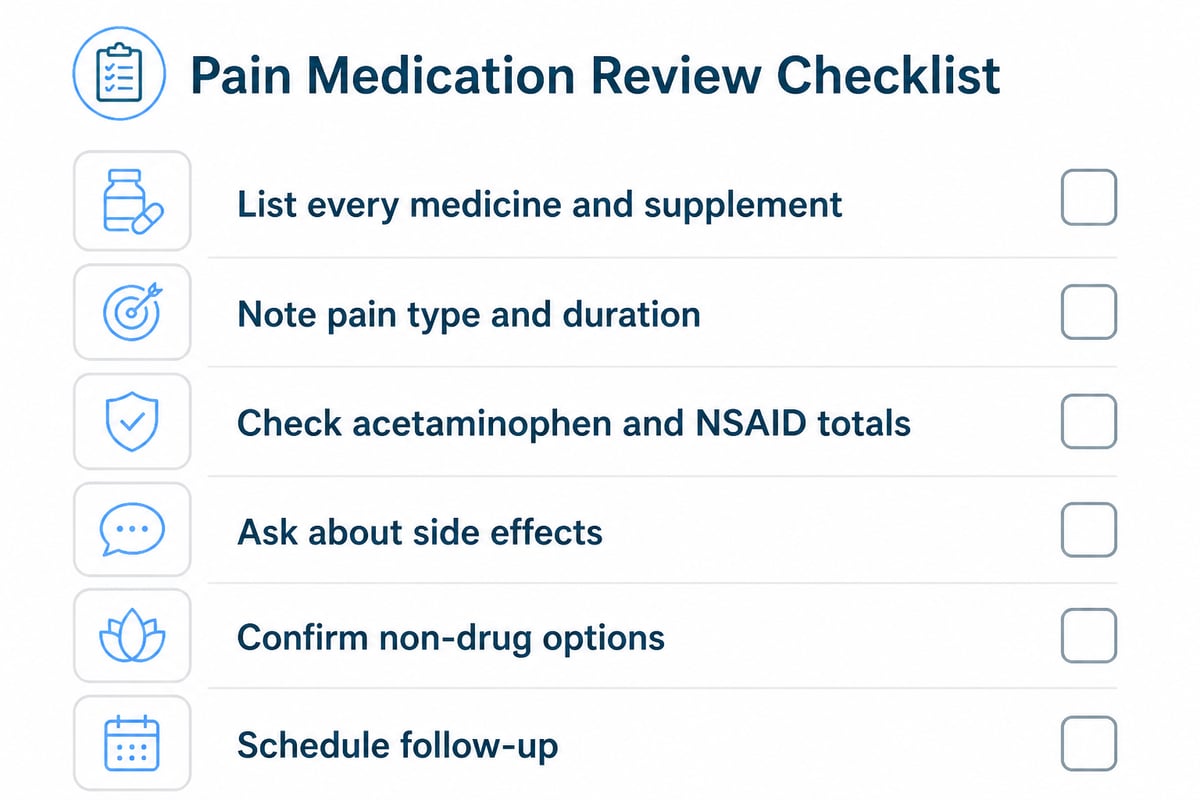
Safe use of any pain medicine comes down to a few consistent habits:
- Read every label. Acetaminophen and NSAIDs appear in many combination products, so duplicate doses are easy to take without realizing.
- Use the lowest effective dose for the shortest time, and never exceed the label or prescribed limit.
- Share your full medication list with your physician, including supplements and alcohol use.
- Avoid mixing sedating drugs, such as opioids with alcohol or sleep aids, because the combined effect on breathing can be dangerous.
- Store medicines securely and dispose of unused opioids through a pharmacy take-back program.
- Report side effects early rather than adjusting doses yourself.
A broader look at drug choices is also covered in this practice's post on pain meds for pain.
FAQ
Can you take Tylenol and Aleve together?
Acetaminophen (Tylenol) and naproxen (Aleve) work differently and are sometimes used together under a physician's guidance, but each has its own daily limit and risks. Acetaminophen strains the liver at high doses, while naproxen raises stomach, kidney and heart risks. Confirm the combination and dosing with your doctor or pharmacist first.
What should you do if you take too many painkillers?
Call Poison Control or 911 right away, even if you feel fine, because acetaminophen and opioid overdoses can become dangerous before symptoms show. Do not wait for symptoms, and do not induce vomiting unless instructed. Have the product name and the amount taken ready when you call.
Can you double up on a painkiller dose?
No. Taking a second dose early or doubling a dose increases the risk of liver damage from acetaminophen, bleeding or kidney problems from NSAIDs, and breathing problems from opioids. If a dose is not controlling your pain, contact your prescriber rather than taking more.
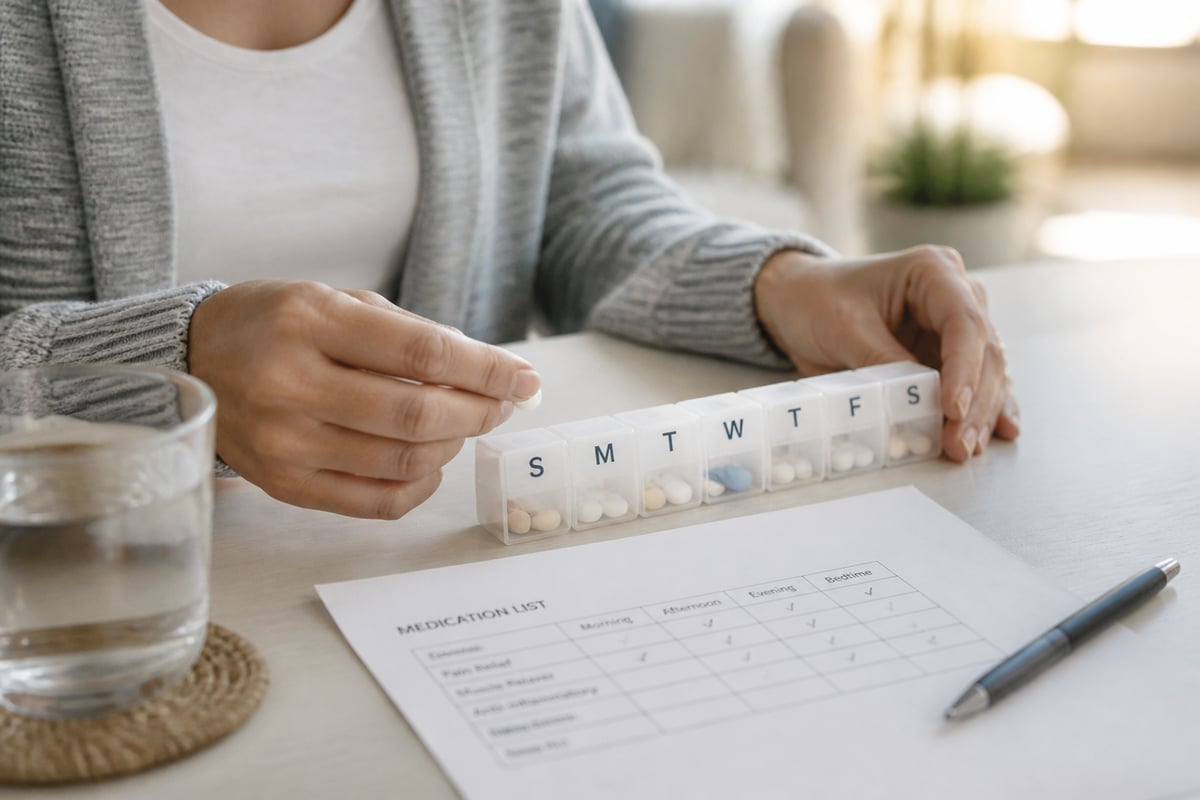
Start by writing down every pain medicine and supplement you take, with doses and how well each one works, and bring that list to a physician who can review it. Pain & Recovery Medical Centre builds individualized plans through its Chronic Pain Management Program, which combines medication, therapy and alternative treatments for Pennsylvania adults. The practice also offers Medical Marijuana Services for adults who may qualify for physician certification. To discuss your options with a team that provides judgement-free care, contact Pain & Recovery Medical Centre to schedule a visit.